
Explore the Range
Get a factory-direct quotation
Bangalore & South Zone
Delhi NCR & North Zone
PUF Panel, Factory-Made Insulated Panels by SAMAN
From ₹1,050 / sq mt
30mm base spec · ex-GST · final price at quotation
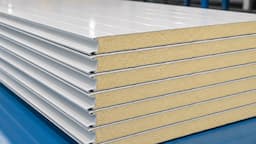
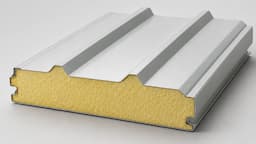
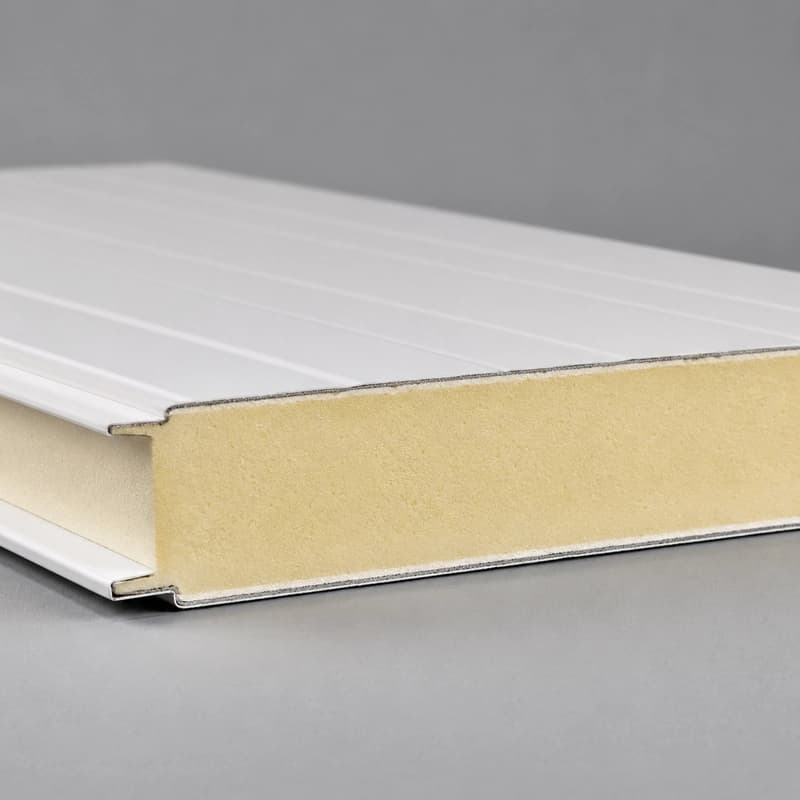
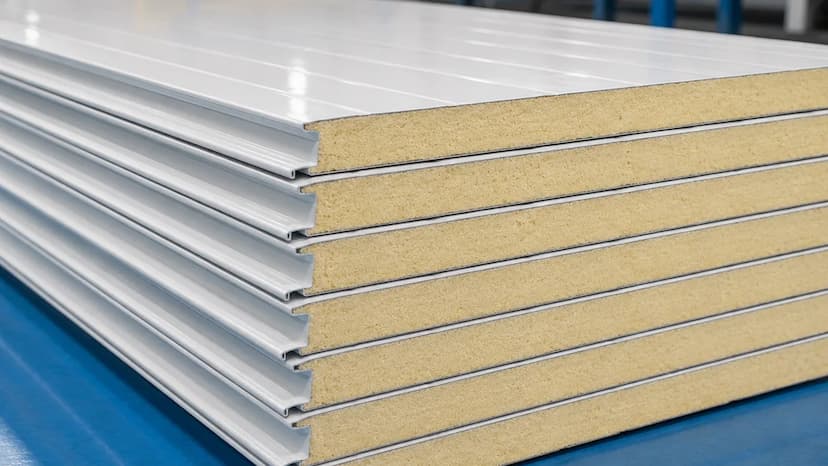
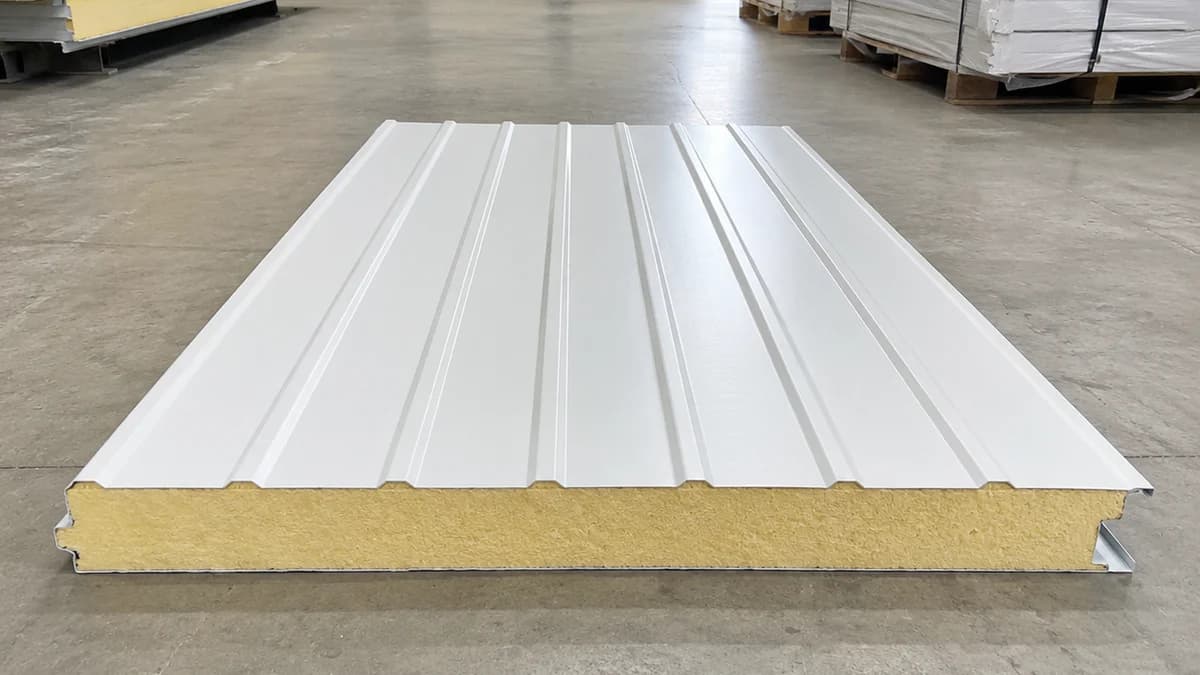
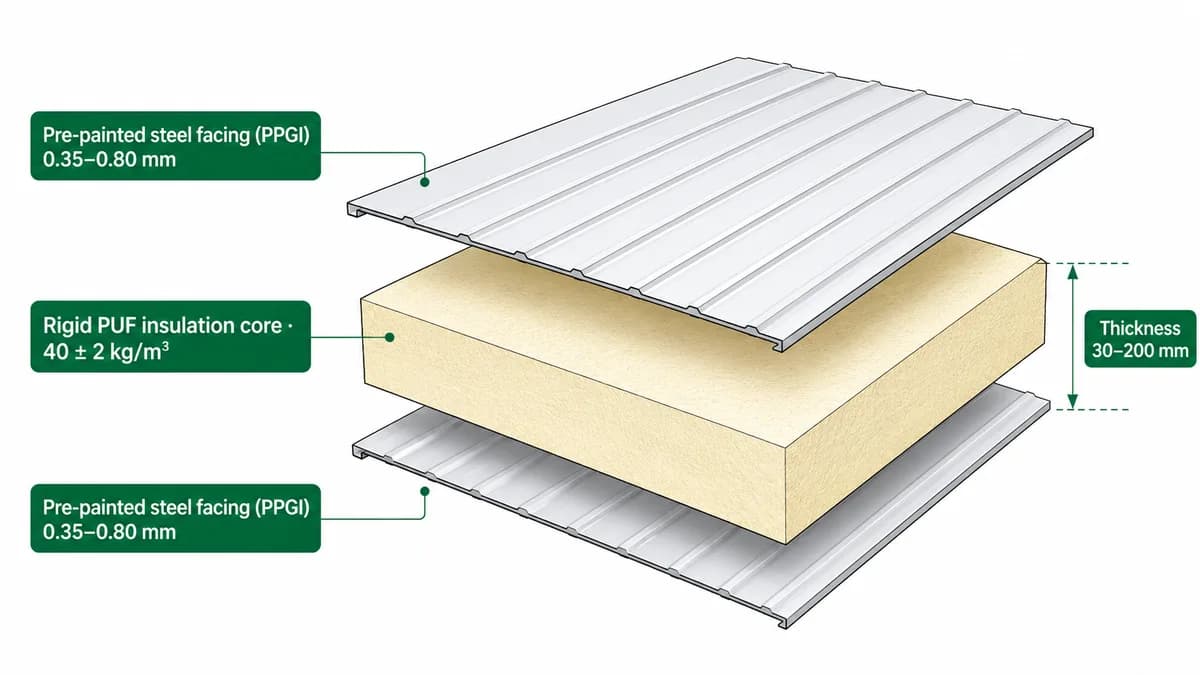
A PUF panel, often searched as “puff panel”, is an insulated building panel with a rigid polyurethane foam core bonded between two steel facing sheets. SAMAN manufactures each panel on our own lines in Bangalore and Greater Noida, so you buy the finished insulated panel direct from the maker, not through a trader, in the thickness, facing and profile your project drawing calls for.
- Size
- Thickness 30–200 mm
- Material
- PPGI-faced PUF core, 40 ± 2 kg/m³
- Delivery
- 3–5 day dispatch
- Coverage
- Bangalore · Delhi NCR
- Brand
- SAMAN Portable
- Application
- Site offices, cold rooms, industrial sheds
Product Information
Explore the PUF Panel Range
Product Details
Comprehensive information about PUF Panel
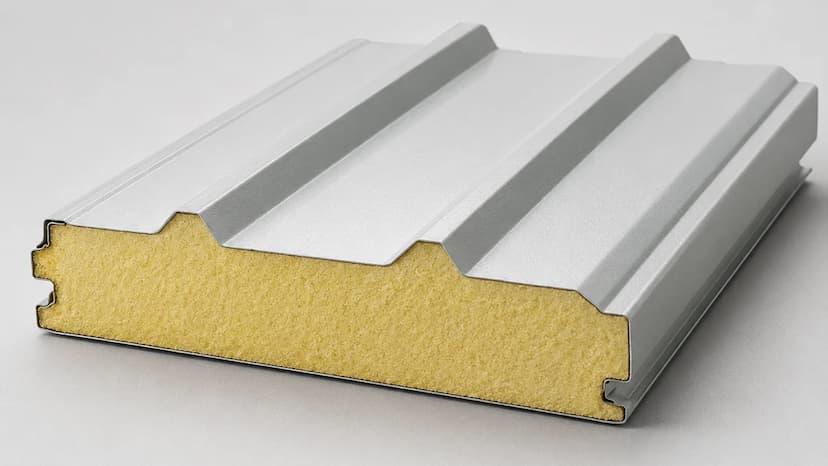
A PUF panel, often searched as “puff panel”, is an insulated building panel with a rigid polyurethane foam core bonded between two steel facing sheets. SAMAN manufactures each panel on our own lines in Bangalore and Greater Noida, so you buy the finished insulated panel direct from the maker, not through a trader, in the thickness, facing and profile your project drawing calls for.
Why buyers struggle to source PUF panels in India
Most buyers searching for a PUF panel land on marketplace listings, not manufacturers. The listing shows one price, one photo and no real specification: so you cannot tell a genuine maker from a reseller repackaging someone else's stock.
The result is avoidable risk. You commit to a panel without knowing the actual core density, the facing gauge, or whether the panel length can even reach your site by road. Two “50 mm panels” from two sellers can differ in facing thickness, foam density and joint type, and the cheaper one often hides a thinner facing sheet.
Buying from a manufacturer removes that guesswork. You confirm the exact build before you order, and the same factory that quotes you is the one that produces and dispatches your panels.
Factory-made PUF panels from our Bangalore and Greater Noida lines
SAMAN runs two panel factories, one in Bangalore for South India dispatch and one in Greater Noida for North India and Delhi NCR. Both are real, owned production lines, not trading yards. Running two lines means shorter road distance to most Indian project sites, which matters because long insulated panels are transport-sensitive.
Every panel we quote is made to your specification: thickness, facing sheet, colour, profile and length are all set from your requirement, not pulled from fixed stock. Because we manufacture the panel, we can also honour custom lengths and cold-room joint types that a reseller simply cannot promise.
This is the core difference: a manufacturer controls the foam density, the facing gauge and the lamination, so the panel you receive matches the panel you were quoted.
How we manufacture and check every PUF panel
A panel is not assembled from pre-made parts. It is formed as one continuous process on our line:
- Coil feed. Two facing coils (PPGI, PPGL, BGL, stainless steel or aluminium, per your spec) are uncoiled and fed into the line simultaneously, one for each face.
- Forming. Each coil passes through roll-forming stations that set the flat, ribbed or trapezoidal profile before the core is added.
- Foaming. Liquid polyurethane is injected continuously between the two formed facings as they travel down the line.
- Curing. The foam expands and cures in a heated press, bonding to both facings as it sets. This is what makes the panel one rigid board rather than a sheet with foam glued behind it.
- Tongue-and-groove profiling. The panel edges are cut and profiled for T&G (or cam-lock for cold-room orders) so panels close tight on site.
- Quality checks. Every batch is checked for facing gauge, panel thickness, foam density and rise, and facing-to-core adhesion, before the panel is approved for stock.
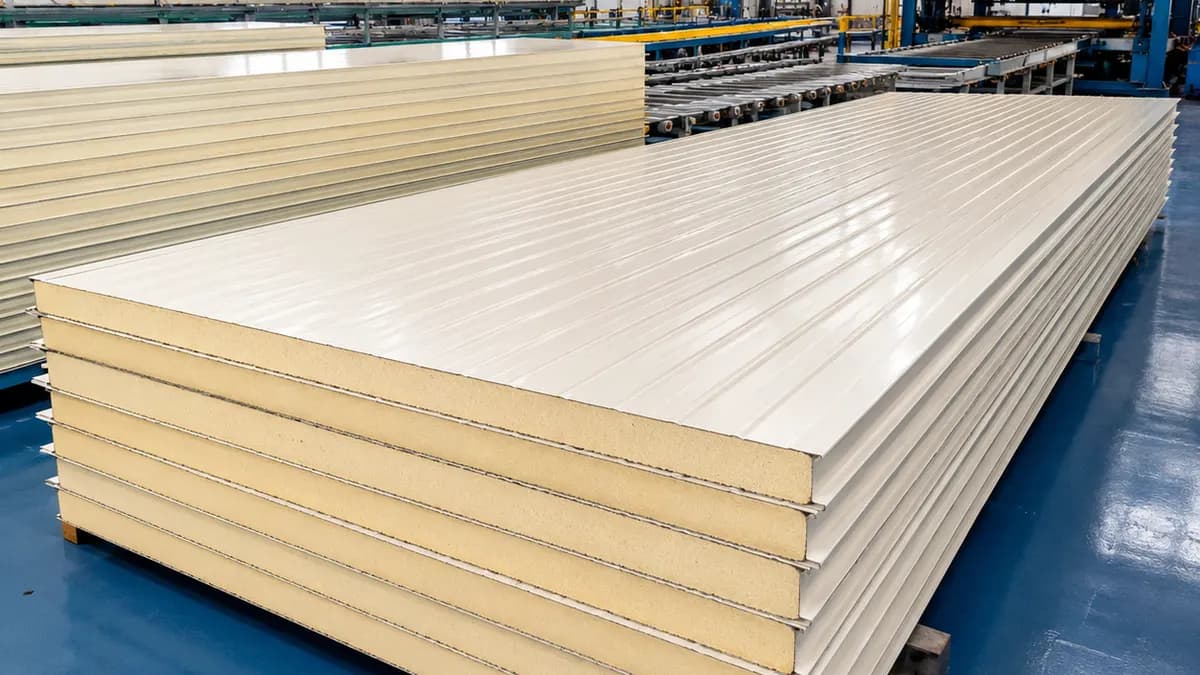
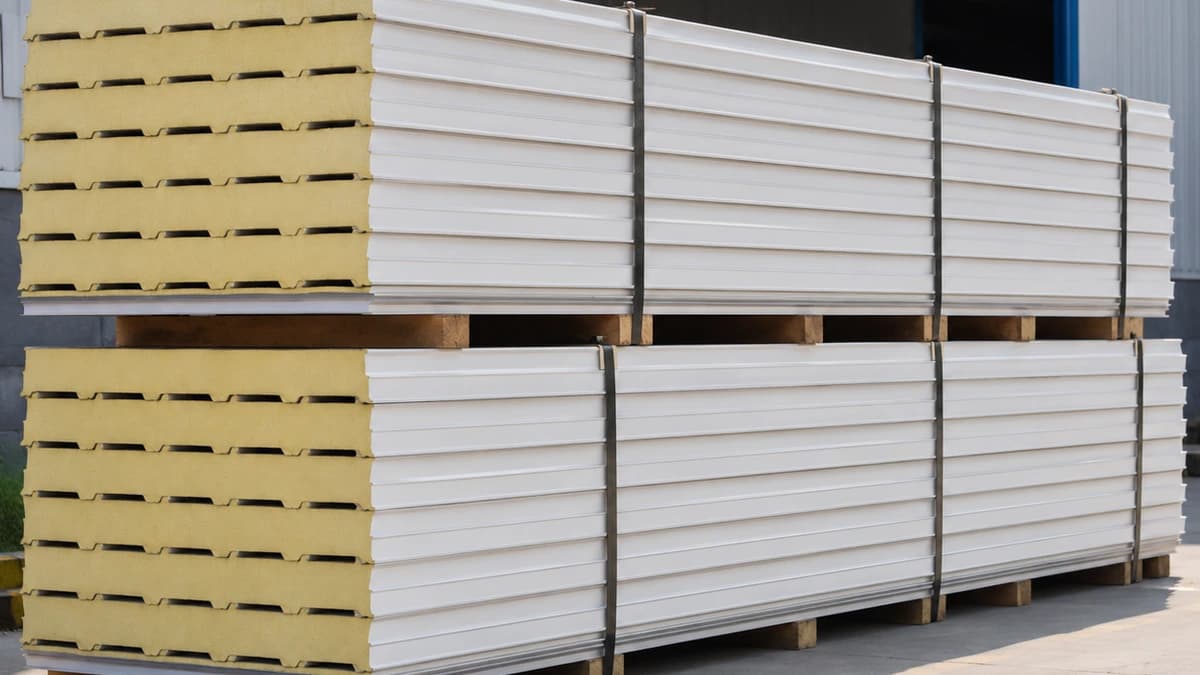
Panels are then stacked, edge-protected and bundled for dispatch from the nearer of our two factories.
A common buyer mistake: accepting a panel batch without asking for the density check result. Two panels can look identical and still differ in core density, and a lower-density core insulates worse and is more prone to facing separation over time. Ask your supplier for the batch density figure before you accept delivery, not after.
Where PUF panels are used
These panels suit any building where you need insulation, speed and a clean finish in one board. Three demand areas cover most of our orders.
Site offices, cabins and prefab rooms
Contractors use these panels as the walls and roof of porta cabins, site offices and prefab rooms because the panel arrives finished on both faces. There is no separate insulation, cladding and lining step. One panel does all three, which is why prefab builders standardise on them.
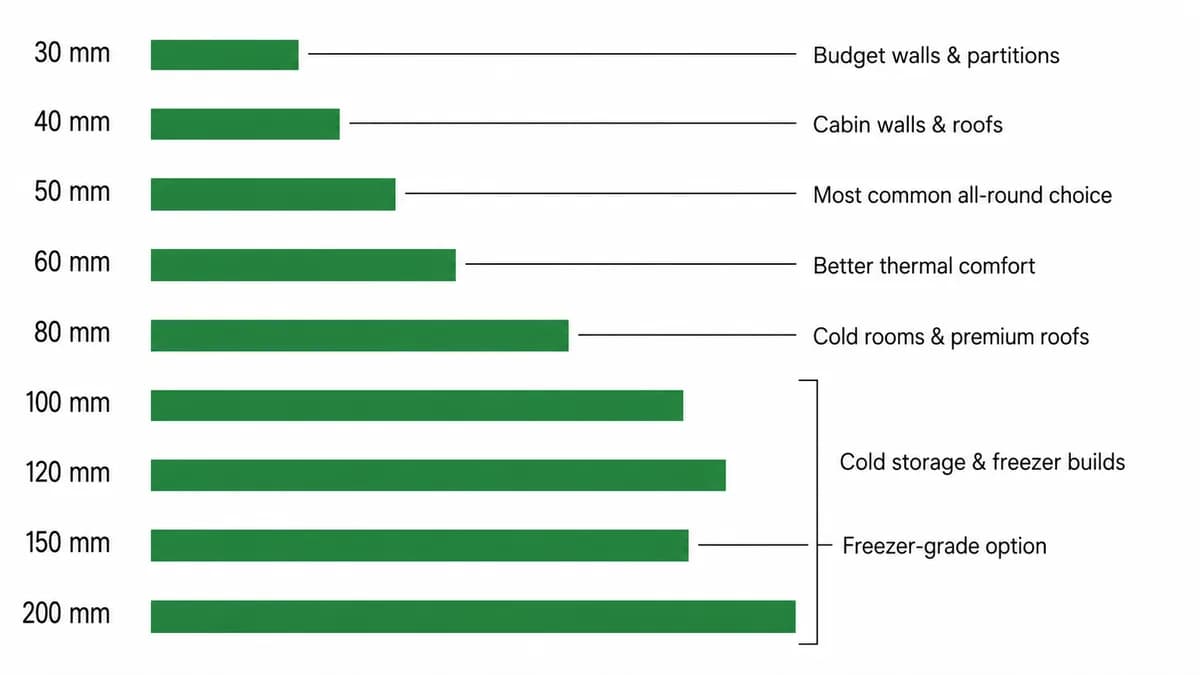
For this use, thickness usually stays modest: 30–50 mm covers most cabin walls and partitions, since the building is occupied for working hours rather than holding a fixed internal temperature against the outside. A 50 mm panel is our most common choice here. It adds meaningfully better heat control than 30 mm for a small step up in weight and cost, without over-specifying a structure that does not need cold-room-level insulation. Where a cabin sits in direct sun for long hours, moving up to 50 mm rather than 30 mm is usually the better trade.
Cold rooms and controlled-temperature spaces
For cold rooms, freezers and any controlled-temperature space, the closed-cell PUF core and the −40°C to +80°C service range make it a working envelope, not just a wall. Cold-room orders typically use cam-lock joints so panels lock airtight, and we manufacture freezer-grade panels up to 150 mm.
Here thickness is set by the temperature gap you need to hold, not by budget: 80 mm and above is the practical starting point for a genuine cold room, since thinner panels struggle to hold a large indoor-outdoor temperature difference without excessive running cost on the refrigeration side. Deep-freeze and very low-temperature stores are why we manufacture up to 150 mm freezer-grade, going thinner to save on panel cost usually costs more back in compressor load over the life of the store.
Industrial sheds, offices and partitions
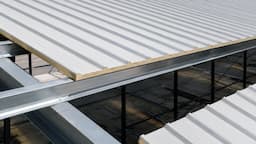
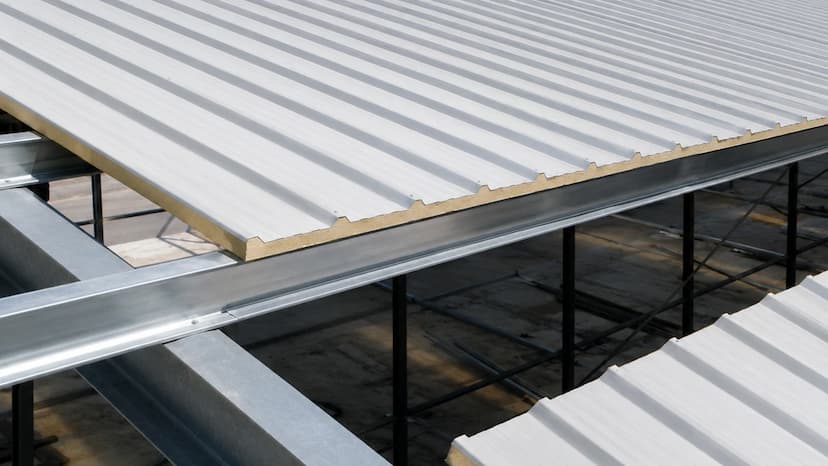
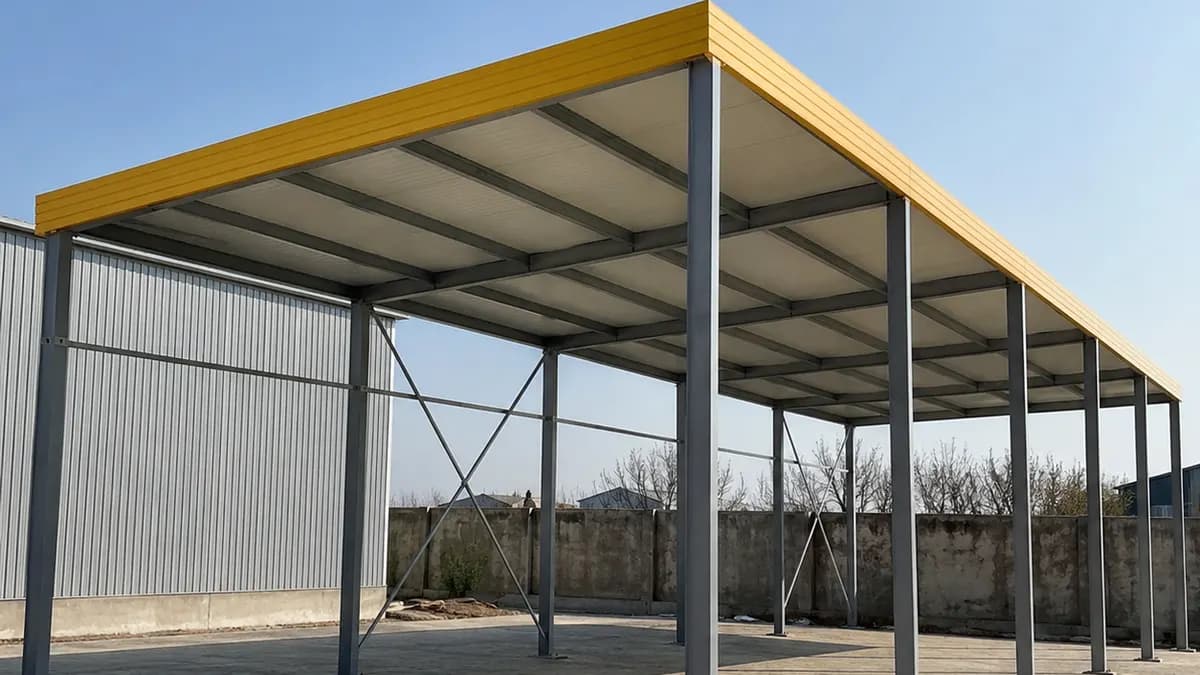
For factory sheds, industrial offices and internal partitions, they give an insulated roof and wall that goes up fast over a steel frame. For roof-specific span, slope and fixing depth, see our insulated PUF roof panels for factory buildings.
For sheds and factory offices, 50–80 mm is the typical range: enough core to keep a large-span roof from radiating heat into the shop floor, without the added weight and cost of cold-room-grade panels the building does not need. Internal partitions that only need to separate space, not hold a temperature difference, can drop back to 30–40 mm.
PUF vs PIR: which core do you need?
Information gain
The honest PUF vs PIR trade-off
PUF and PIR panels look identical from outside, the difference is the core chemistry. PIR is a modified formulation that improves fire behaviour and raises the service temperature, at a higher price.
| Property | PUF (our standard) | PIR |
|---|---|---|
| Core density | 40 ± 2 kg/m³ | up to 45 ± 2 kg/m³ |
| Thermal conductivity | 0.022–0.024 W/m·K | 0.018–0.021 W/m·K |
| Service temperature | −40°C to +80°C | up to +120°C |
| Fire behaviour | closed-cell PUF core | improved over standard PUF |
| Indicative cost | baseline | roughly a third more (≈ 30–35%) than PUF |
For most cabins, sheds, offices and standard cold rooms, PUF is the right choice. PIR earns its premium only where fire performance or higher service temperature genuinely drives the specification. We manufacture both, so we recommend on the drawing, not on the margin.
The roughly-a-third premium is worth paying when your service temperature will genuinely approach PIR's higher ceiling, up to +120°C against PUF's +80°C, such as near hot process equipment or in a building code that specifically calls for improved fire performance in the core. If your project sits comfortably within PUF's −40°C to +80°C range and has no fire-rating requirement beyond standard practice, the premium buys margin you are unlikely to use. When in doubt, share the actual service condition and we will tell you honestly which core the job needs.
Sizes, colours and customization
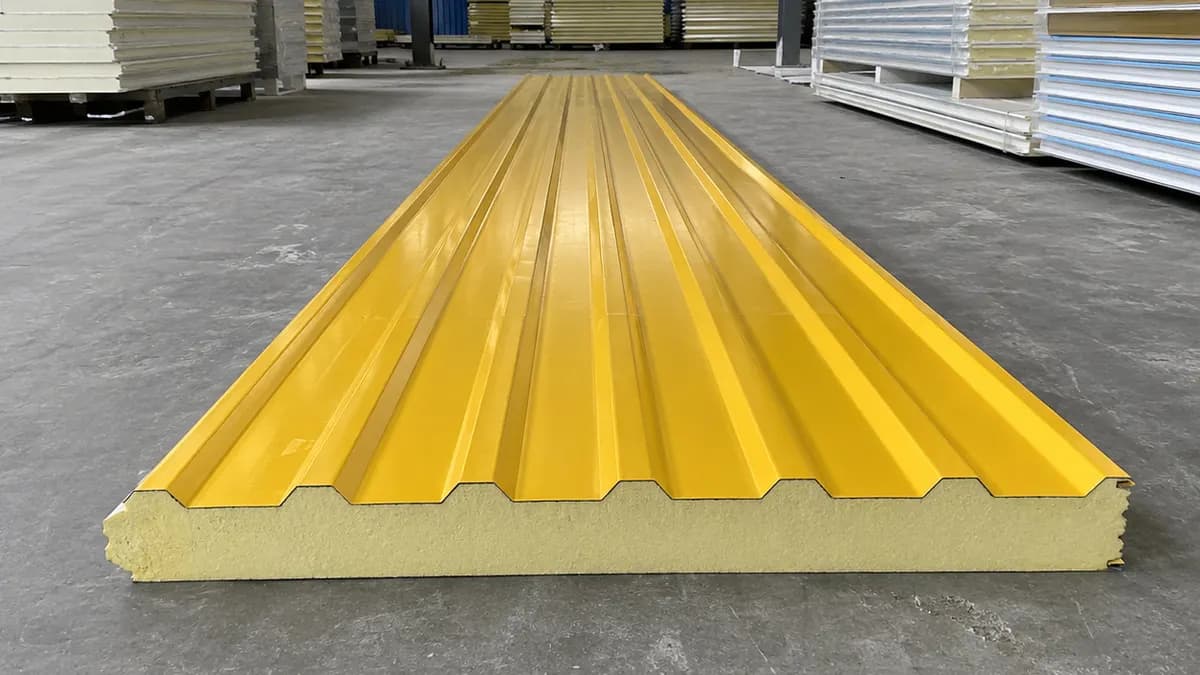
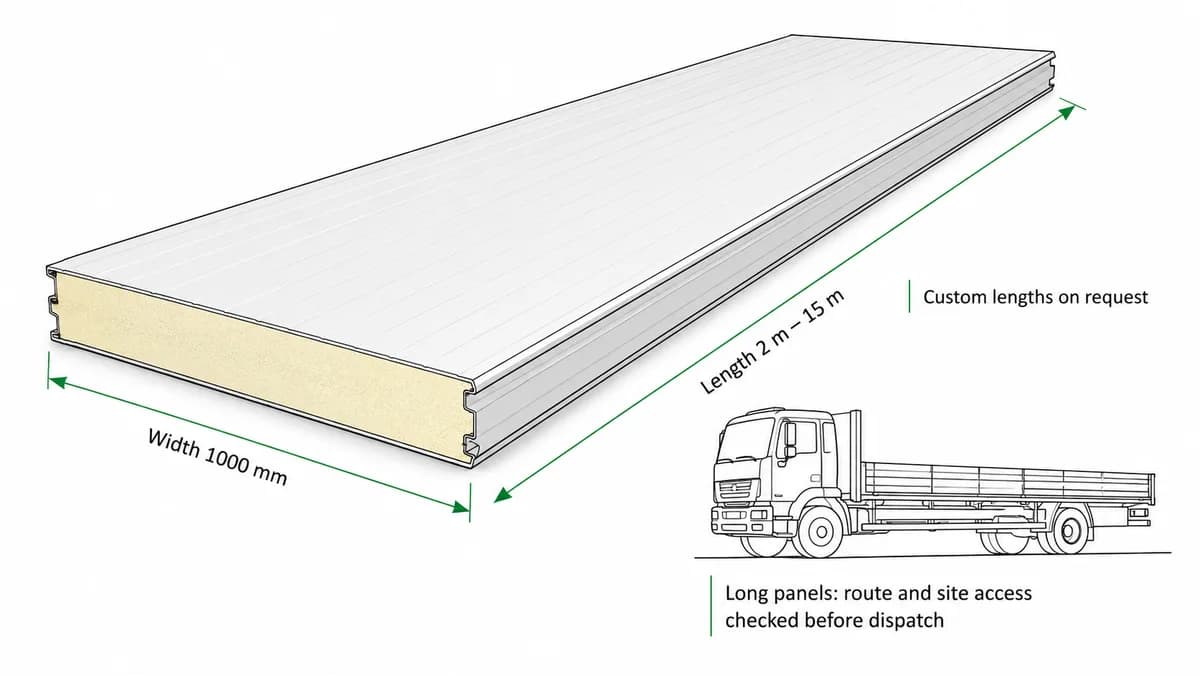
Panels are made to 1000 mm covered width, in lengths from 2 m to 15 m. Longer panels are possible, but length is transport- and site-dependent: a 15 m panel needs road access and offloading space a tight urban site may not have, so we confirm the maximum practical length against your site before you order.
Standard RAL shades we produce: Off White 9002, Pure White 9010, Wooden Finish, Sky Blue 5012, Royal Blue 5002, Graphite Grey 7024, Dark Grey 7015, Brick Red 8004, Mist Green 6021 and Caulfield Green 6005. Roof panels run trapezoidal or ribbed; wall panels run plain, baby-rib or micro-rib.
What decides your PUF panel quotation
A panel's price is not one number, it moves with the build you choose. The main factors are thickness (30 mm to 200 mm), facing gauge (0.35–0.80 mm), facing material (PPGI costs less than stainless steel), core density, colour, profile, panel length and order size. Delivery distance from the nearer of our two factories also affects the landed cost.
Because these stack differently for every project, we publish the drivers here and the rates on a dedicated page. See the thickness-wise PUF panel price list for indicative rates by thickness, then send your specification for a firm quotation.
Why a manufacturer beats a trader for panel supply
A trader sells you whatever coil and foam their supplier ran that week. A manufacturer sets the facing gauge, foam density and lamination to your drawing and stands behind the result. When a panel needs a non-standard length, a specific RAL shade or a cold-room cam lock, only the maker can actually produce it.
There is also accountability. If a site query comes up, the factory that made the panel is the one answering, not a middle layer forwarding your question. We have delivered for leading developers and EPC contractors across Bangalore, Delhi, Mumbai, Bhopal, Chennai and Hyderabad, and in every case the specification we quoted is the panel we produced.
Beyond the roofing and sandwich ranges above, we also supply PUF panel houses and residential units, wall and partition PUF panels, the full technical specification of our PUF panels, and PUF panels for cold rooms and freezer rooms.
Frequently asked questions
What is a PUF panel?
A PUF panel is an insulated sandwich panel with a rigid polyurethane foam core bonded between two steel facing sheets. It provides structure, insulation and a finished surface in a single board, which is why it is used for cabins, cold rooms and industrial sheds.
What thickness of PUF panel do I need?
Thickness follows the job, not the price. Thinner 30–50 mm panels suit site offices and partitions; 60–100 mm suits sheds and better thermal control; cold rooms and freezers run 100–150 mm. Send your use case and we advise the correct thickness before quoting.
What is the core density of a SAMAN PUF panel?
Our PUF core is 40 ± 2 kg/m³ with a thermal conductivity of 0.022–0.024 W/m·K. Any tested value beyond this range for a specific order is confirmed at quotation rather than stated as a blanket claim.
Do you make both roof and wall panels?
Yes. We make roof panels in trapezoidal and ribbed profiles and wall panels in plain, baby-rib and micro-rib profiles, both from 30 mm to 200 mm. Roof and wall panels share the same core but differ in profile and effective width.
Are you a manufacturer or a reseller?
SAMAN is a manufacturer. We produce PUF panels on our own lines in Bangalore and Greater Noida, which is why we can commit to custom thickness, facing, colour and cold-room joints that a reseller cannot.
How long can a single PUF panel be?
Standard lengths run 2–15 m, and custom lengths are possible. The practical limit is transport and site access. A very long panel needs road clearance and offloading space, so we confirm the workable length against your site before production.
What is the difference between PUF and PIR panels?
Both are polyurethane-based, but PIR uses a modified core with improved fire behaviour and a higher service temperature, at roughly a third more (about 30–35%) cost. PUF suits most cabins, sheds and cold rooms; PIR is chosen where fire or temperature genuinely drives the spec.
Do you supply PUF panels outside Bangalore and Delhi?
Yes. We deliver pan-India, dispatching from whichever factory is nearer to your site. Transport is confirmed at quotation, and a 500 m² minimum billing applies to long-distance dispatch.
Is a PUF panel waterproof?
The steel facing sheets are weatherproof and the closed-cell PUF core does not absorb water in normal use, which is why the panel resists the moisture and condensation problems of a bare metal sheet. Joint sealing and correct slope on roofs still matter. The panel is only as watertight as its detailing.
How does a PUF panel behave in a fire?
The core is a closed-cell PUF; where a project needs improved fire performance, PIR offers better fire behaviour than standard PUF. We state this qualitatively and do not publish class codes or hour ratings without independent test data for the specific build.
Get a factory-direct PUF panel quotation
Send your thickness, facing, area and site city for a firm quote.
Bangalore & South Zone
Delhi NCR & North Zone
The table below is our owner-verified panel specification. Values not listed here are confirmed at quotation rather than guessed.
PUF Panel Specifications
Owner-verified
| Thickness | 30 / 40 / 50 / 60 / 80 / 100 / 120 / 150 / 200 mm (roof and wall); freezer-grade to 150 mm |
| Facing sheets | PPGI · PPGL · BGL · Stainless Steel · Aluminium · Craft Paper |
| Facing gauge | 0.35–0.80 mm |
| Core | PUF (PUR), 40 ± 2 kg/m³ density |
| Thermal conductivity | 0.022–0.024 W/m·K |
| Service temperature | −40°C to +80°C |
| Panel weight | ≈ 10–12 kg/m² at 50 mm |
| Effective width | Roof 1000 mm (1070 mm overall) · Wall 1000 mm covered |
| Length | 2–15 m standard; custom lengths transport/site dependent |
| Roof profiles | Trapezoidal · ribbed |
| Wall profiles | Plain · baby ribs · micro ribs |
| Joints | Tongue & groove; cold room cam lock or T&G |
| HSN code | 940690 |
- Thickness
- 30 / 40 / 50 / 60 / 80 / 100 / 120 / 150 / 200 mm (roof and wall); freezer-grade to 150 mm
- Facing sheets
- PPGI · PPGL · BGL · Stainless Steel · Aluminium · Craft Paper
- Facing gauge
- 0.35–0.80 mm
- Core
- PUF (PUR), 40 ± 2 kg/m³ density
- Thermal conductivity
- 0.022–0.024 W/m·K
- Service temperature
- −40°C to +80°C
- Panel weight
- ≈ 10–12 kg/m² at 50 mm
- Effective width
- Roof 1000 mm (1070 mm overall) · Wall 1000 mm covered
- Length
- 2–15 m standard; custom lengths transport/site dependent
- Roof profiles
- Trapezoidal · ribbed
- Wall profiles
- Plain · baby ribs · micro ribs
- Joints
- Tongue & groove; cold room cam lock or T&G
- HSN code
- 940690
The full facing, colour and cold-room joint range sits in our PUF sandwich panel and sheet range, where we map every panel name and sheet variant we make.
Warranty: PUF panel warranty 5–10 years, confirmed at quotation.
We dispatch from Bangalore for South India and Greater Noida for North India and Delhi NCR, so most sites are served from the nearer line. That matters for cost, not just speed: the nearer factory quotes your freight, so you are not paying a long-haul rate from a single distant plant the way you would with a supplier that runs only one line. For long-distance dispatch we apply a 500 m² minimum billing quantity, a fact most sellers never state upfront.
Bangalore factory
Dispatch for South India
Greater Noida factory
Dispatch for North India & Delhi NCR
Pan-India delivery; transport confirmed at quotation; 3–5 business day default dispatch, see our Delivery Policy
7-day returns on standard products (3-day on custom), see our Refund & Return Policy
Customer Reviews
0 reviews
No reviews yet. Be the first to review this product.
Write a Review for PUF Panel
Related PUF Panel Products
ISO 9001:2015
E20250218645
ISO 14001:2015
E20250218646
ISO 45001:2018
E20250218647
NSIC Government Purchase Enlistment
NSIC/GP/BAN/2024/0055207
Startup India Recognition
DIPP56005
Udyam Registration
UDYAM-KR-03-0172770