
Metal Roofing Sheet — GI, Galvalume and Colour-Coated Steel, Compared Honestly
A metal roofing sheet should be the simplest thing you buy for a building. It isn't — because "0.50 mm metal sheet" can mean four different steels, three coating classes and two ways of measuring thickness, and every seller quotes the version that suits them. Here is the whole metal family, specified the way we install it ourselves.
Get a factory-direct metal roofing sheet quotation: South India +91 88616 22859 · sales@samanportable.com | North India / Delhi NCR +91 87960 39938 · ncr@samanportable.com
What is a metal roofing sheet?
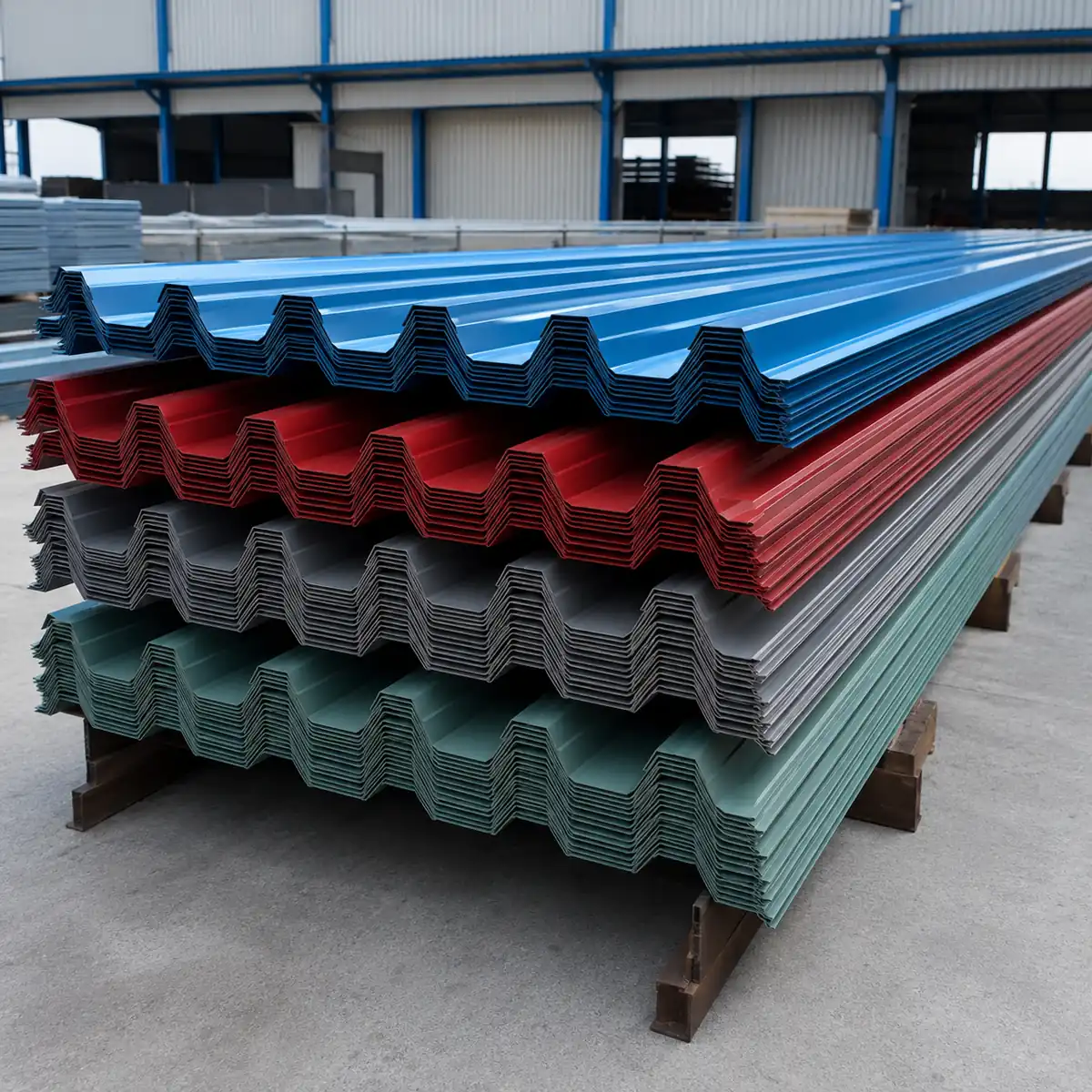
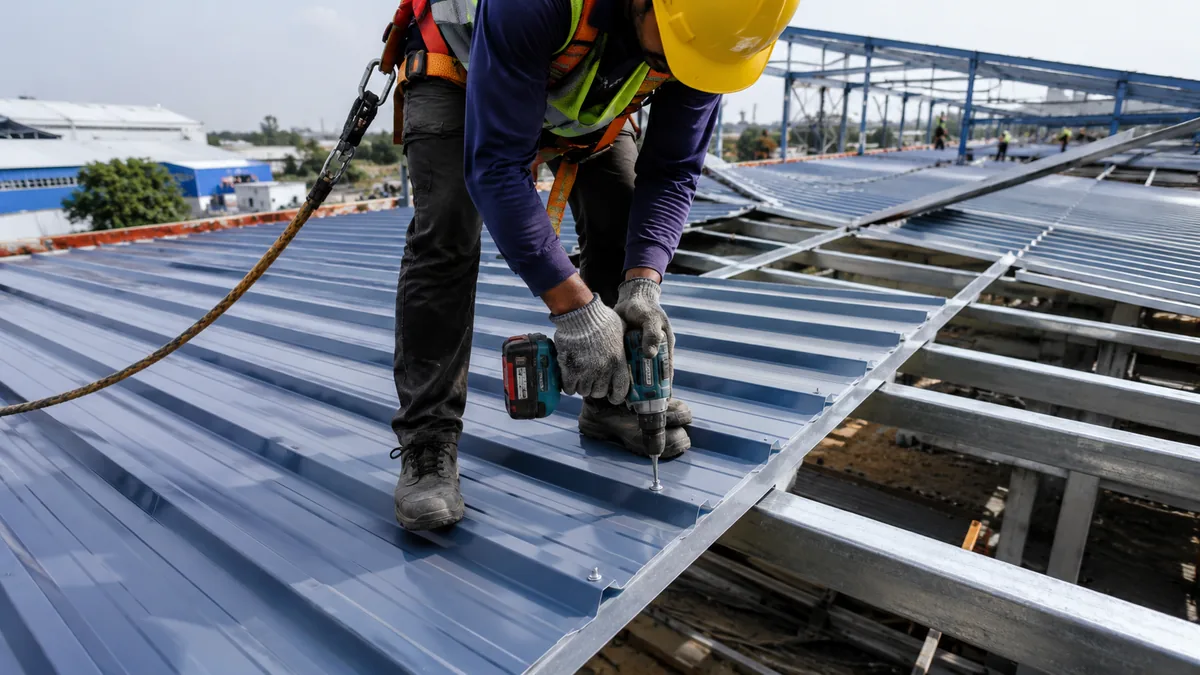
A metal roofing sheet is a thin steel or aluminium sheet, roll-formed into a profile — corrugated waves, trapezoidal ribs, tile shapes — and fixed over purlins with self-drilling screws to form the finished roof. The profile gives the thin metal its stiffness; the coating gives it its life. And a note on names: what most of India calls a tin sheet or tin roof is not tin at all — it is galvanized steel (GI). The word survives from an older era; the material under it is the same GI family on this page, so if your requirement says "tin sheet," you're in the right place.
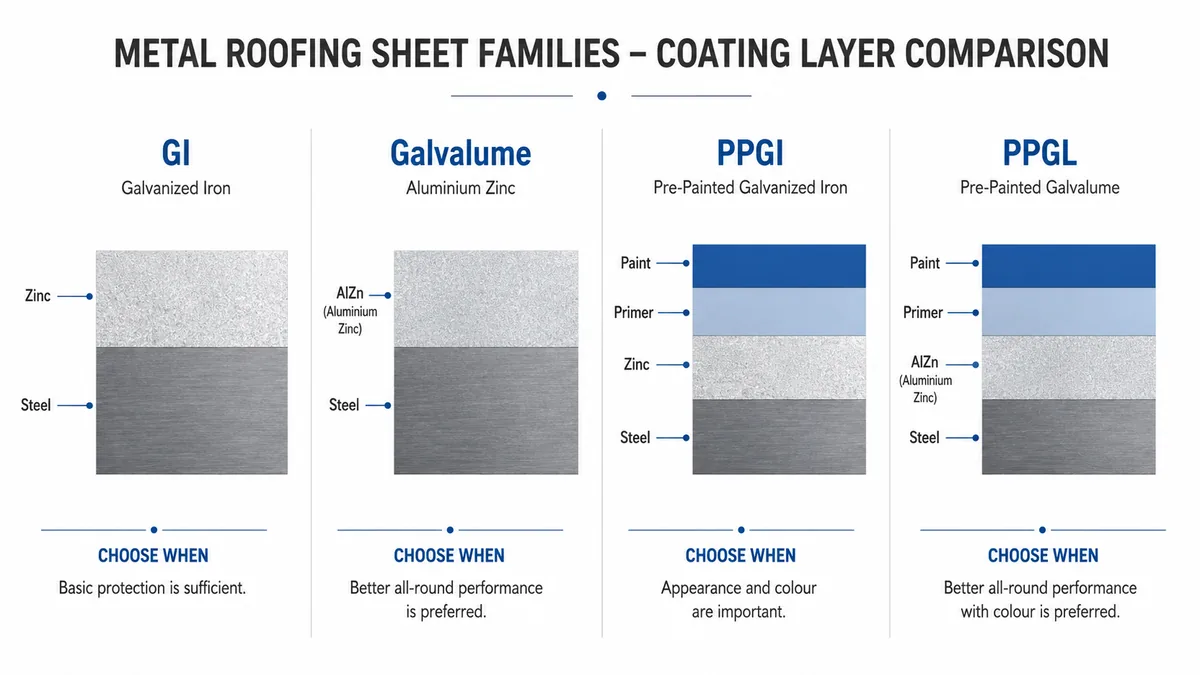
GI vs Galvalume vs PPGI vs PPGL — the four steel families, decided honestly
This is the decision that matters, and no ranking page makes it plainly:
| Family | What it is | Choose it when | Skip it when |
|---|---|---|---|
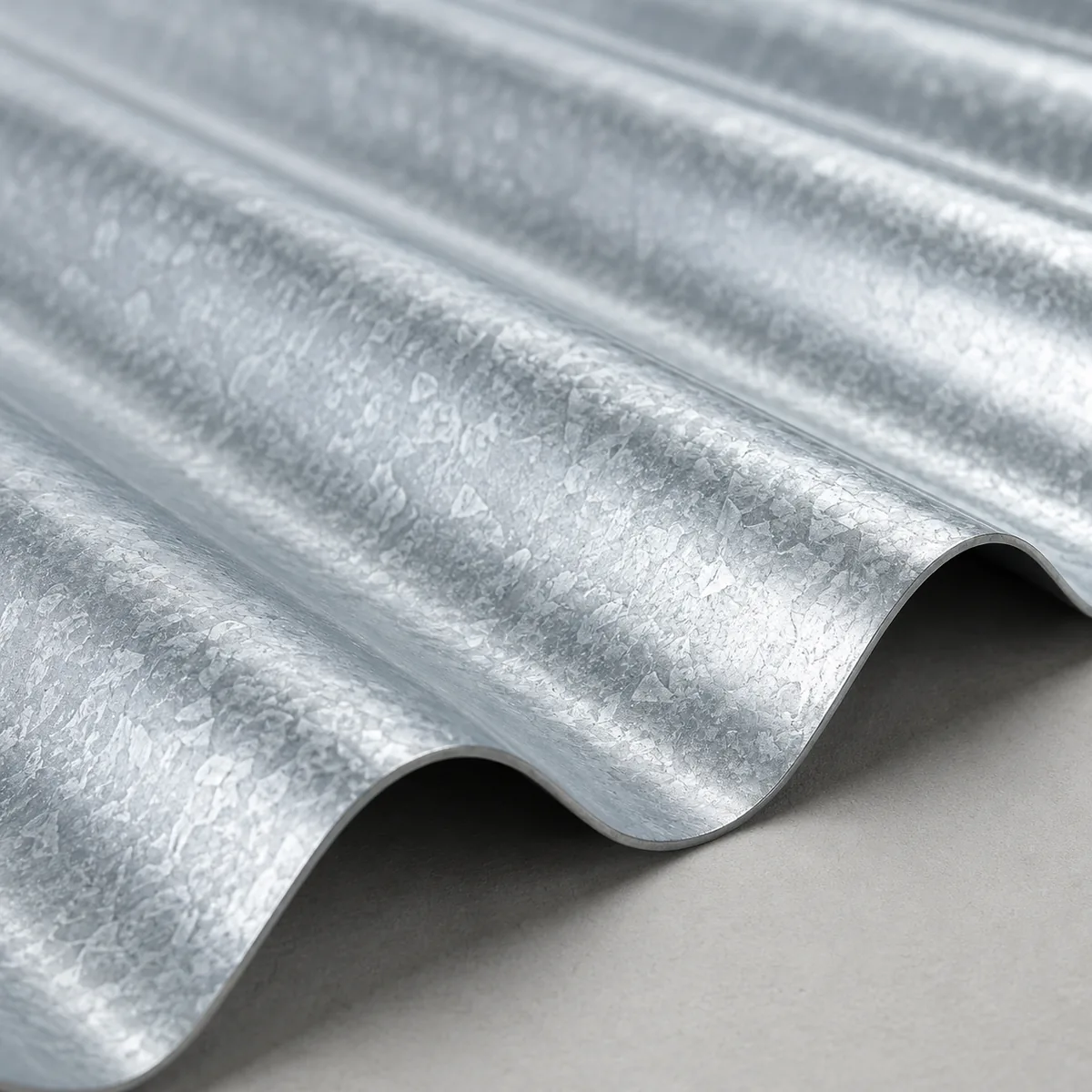
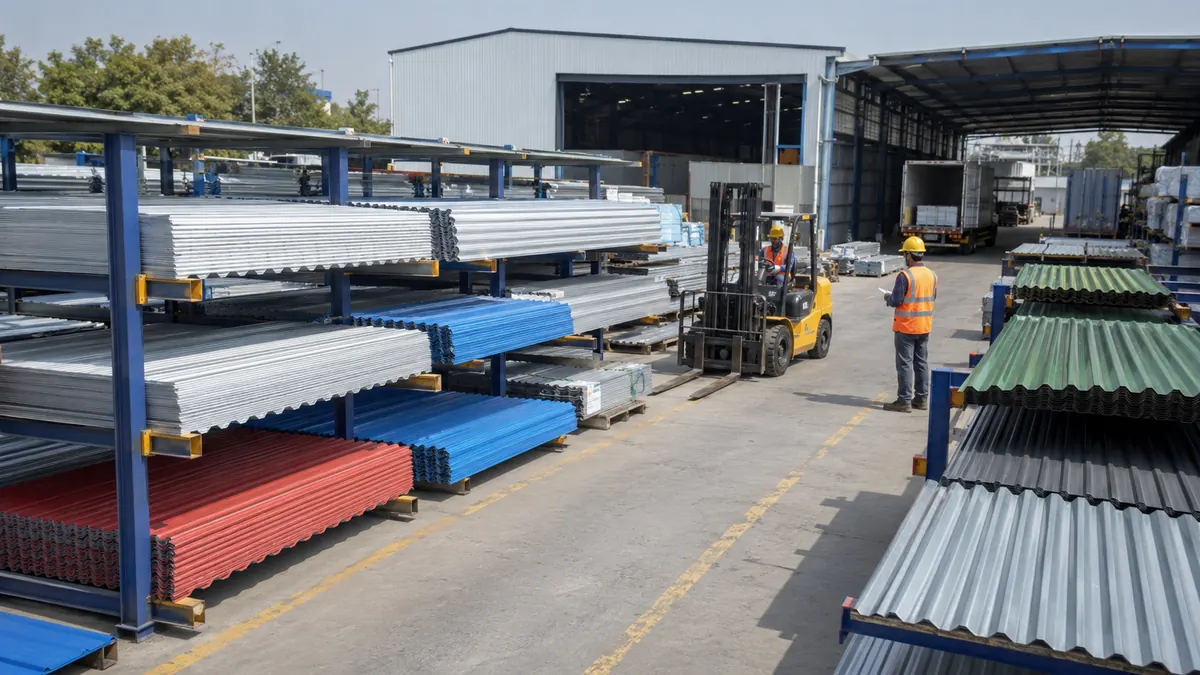
| GI / GC (galvanized) | Steel + zinc coating (Z80–Z275), bare finish | Lowest-cost workhorse: utility sheds, boundary roofs, back-of-plot structures | The roof is visible or coastal — zinc alone ages faster |
| Bare Galvalume (Aluzinc) | Steel + aluminium-zinc coating (AZ100–AZ150), bare finish | Longer life than GI at bare-metal cost; better corrosion resistance | You want colour — that's PPGL for a small step up |
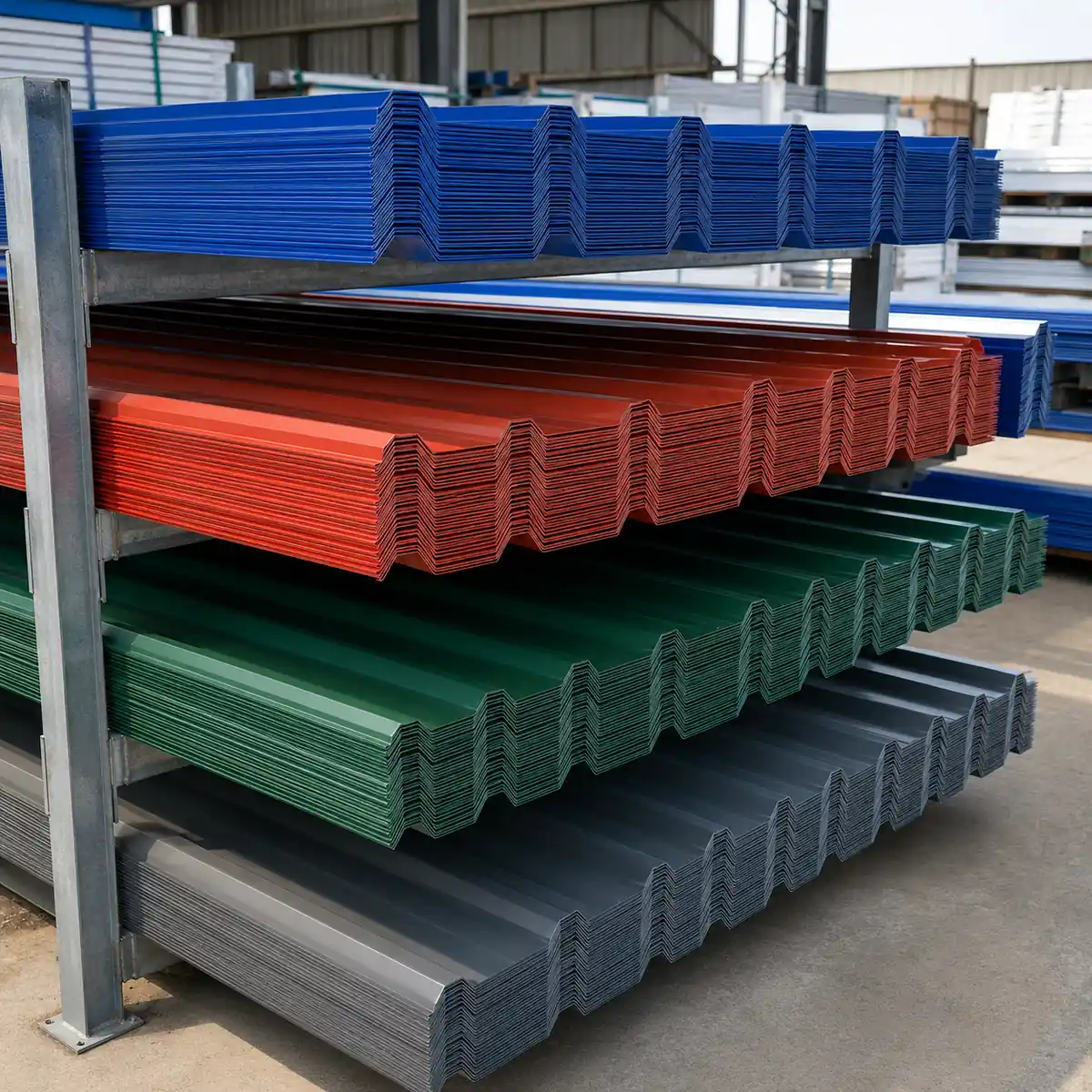
| PPGI (colour-coated GI) | GI + primer + colour coat | Colour on a budget — shops, homes, light commercial | Coastal or long-life demands — the base is still zinc-only |
| PPGL (colour-coated Galvalume) | Galvalume + primer + colour coat, AZ150 preferred | The default we recommend — homes, factories, anything people see or work under | Strictly lowest-cost utility work |
The pattern to remember: Galvalume base outlasts GI base; colour coat protects and finishes either. Our locked standards: everyday roof = 0.50 mm PPGL colour with AZ150; economy roof = 0.50 mm GI with Z275 where available. Beyond these four sit the specialists — aluminium (0.70 mm, coastal and corrosive sites), stainless SS 304 (food and process buildings), and heavy GI decking (0.80–1.00 mm for composite floor/roof decks).
Gauge — which thickness your roof actually needs
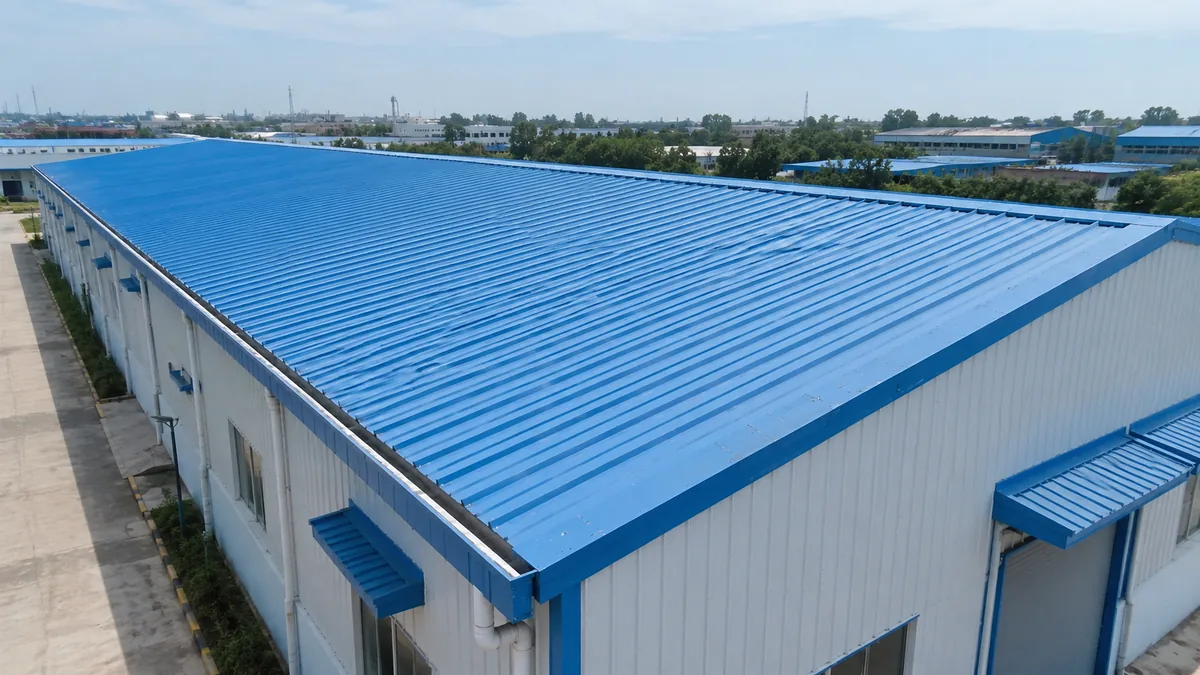
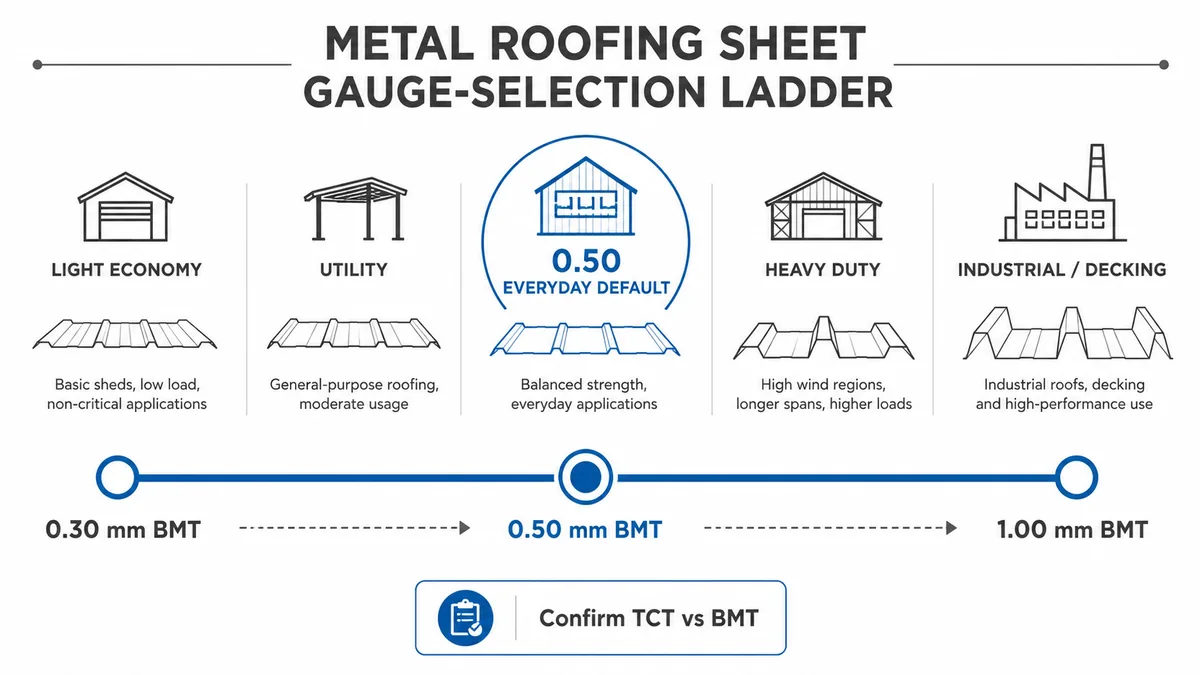
Steel roof sheets run 0.30 to 1.00 mm BMT, and thicker is not automatically better — it's heavier and costlier. The honest mapping: 0.30–0.35 mm for light economy and temporary work; 0.40–0.45 mm as the practical utility standard; 0.50 mm as the everyday default for homes, shops and factories (the gauge that walks without denting); 0.60 mm heavy duty; 0.80–1.00 mm for industrial roofs and decking. Marketplace listings that say "0.3–0.5 mm depending on stock" are exactly the ambiguity to avoid — a quote should state one gauge, and ours do.
TCT vs BMT and coating class — how metal quotes hide their differences
Thickness: TCT (Total Coated Thickness) includes the zinc/aluzinc coating and paint; BMT (Base Metal Thickness) is the steel alone — and strength lives in the BMT. A 0.50 mm TCT sheet carries visibly less steel than a 0.50 mm BMT sheet. Every SAMAN quotation states both numbers.
Coating class: on GI, zinc runs Z80 (light economy) → Z120 (preferred standard) → Z180 (heavy) → Z275 (industrial). On Galvalume, AZ100 (economy) → AZ150 (our preferred standard) → AZ200 (premium). Same gauge, different coating class = different product, different life, different fair price.
Paint system: standard polyester (RMP/SMP, 15–25 µm) versus premium SDP/PVDF — identical on day one, very different at year eight. Coating and paint warranties are brand-backed and confirmed with documents at quotation.
When a competitor's quote is suspiciously cheaper for the "same sheet", the difference is hiding in one of these three lines. Ask for all three numbers — from anyone, including us.
Profiles — corrugated, trapezoidal, tile, standing seam, curved
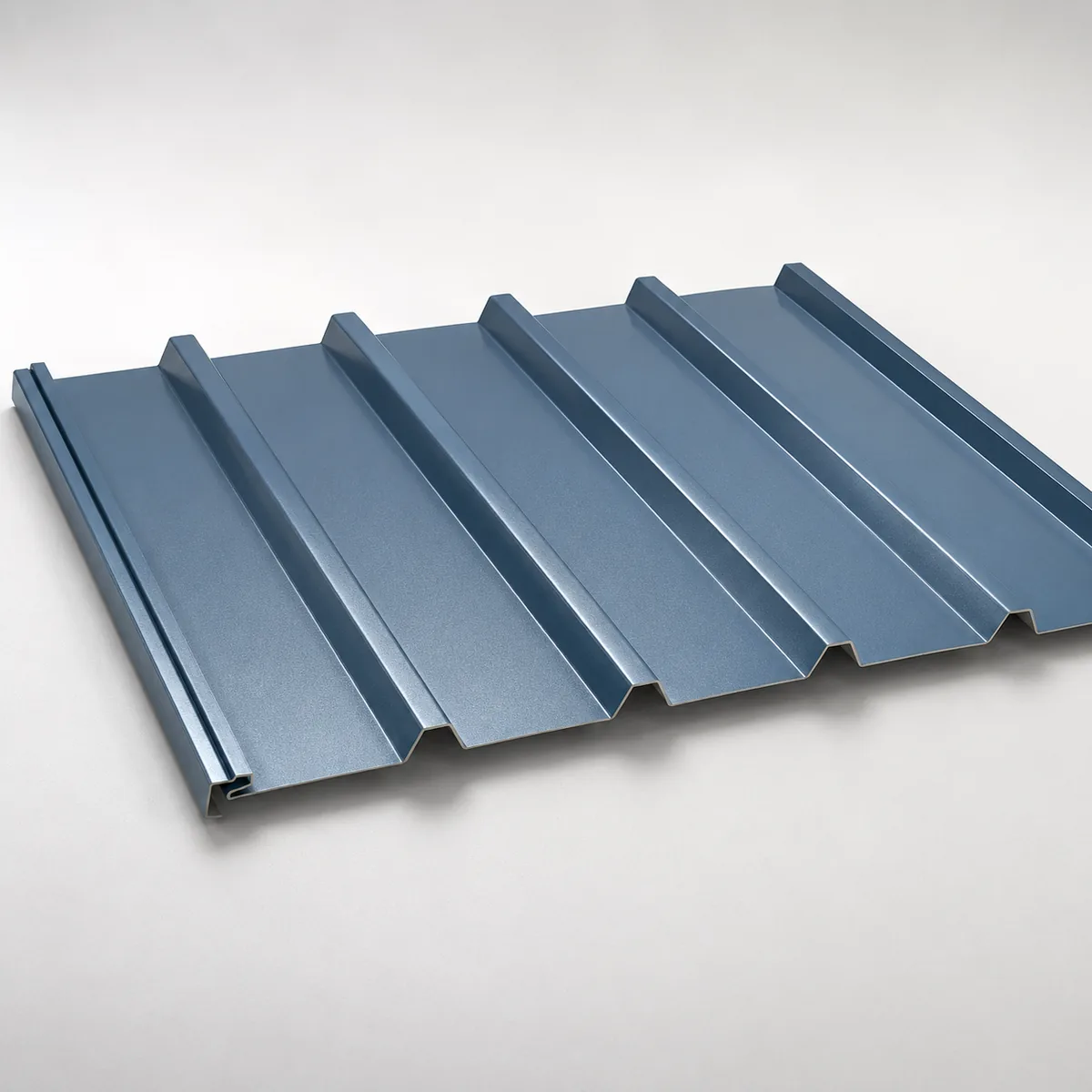
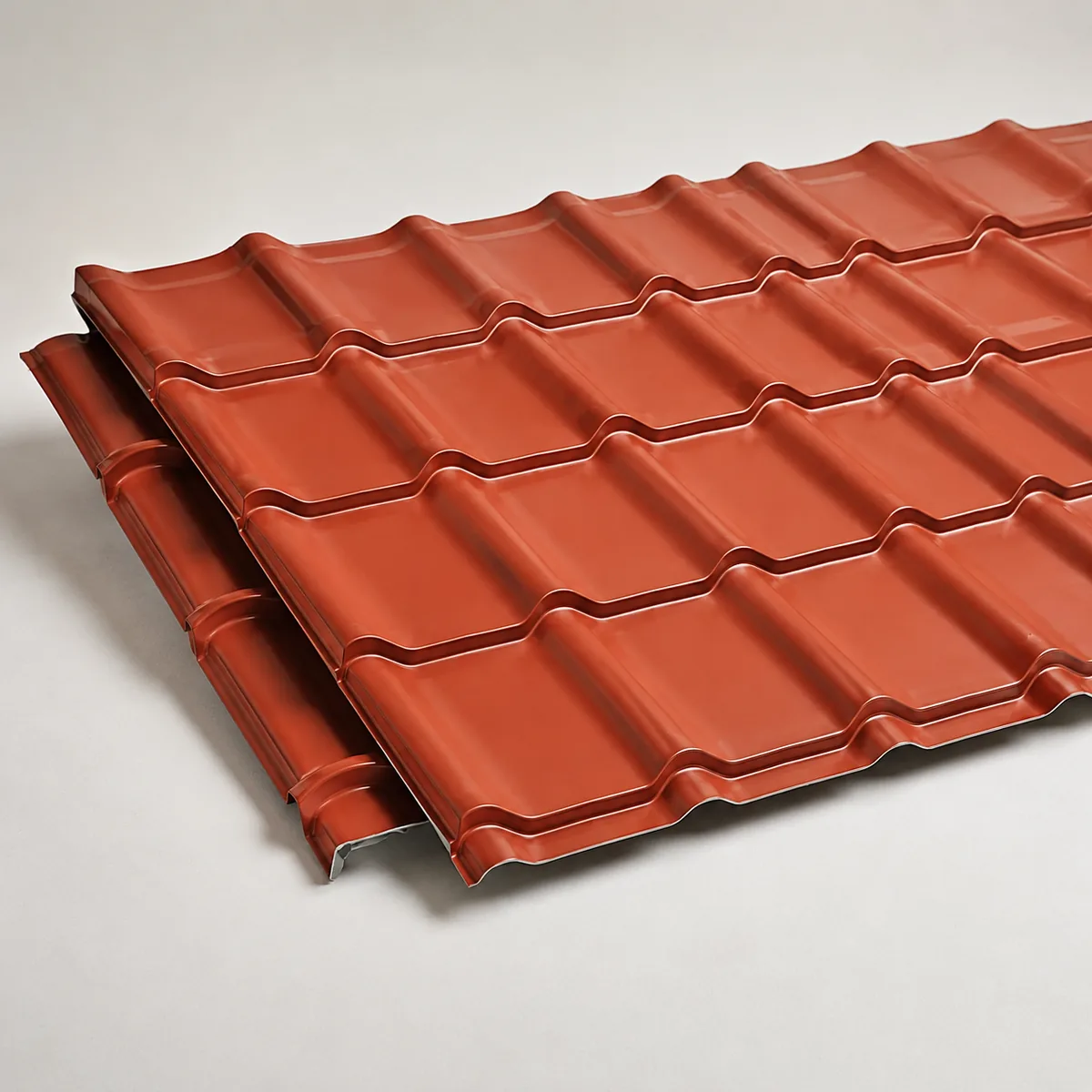
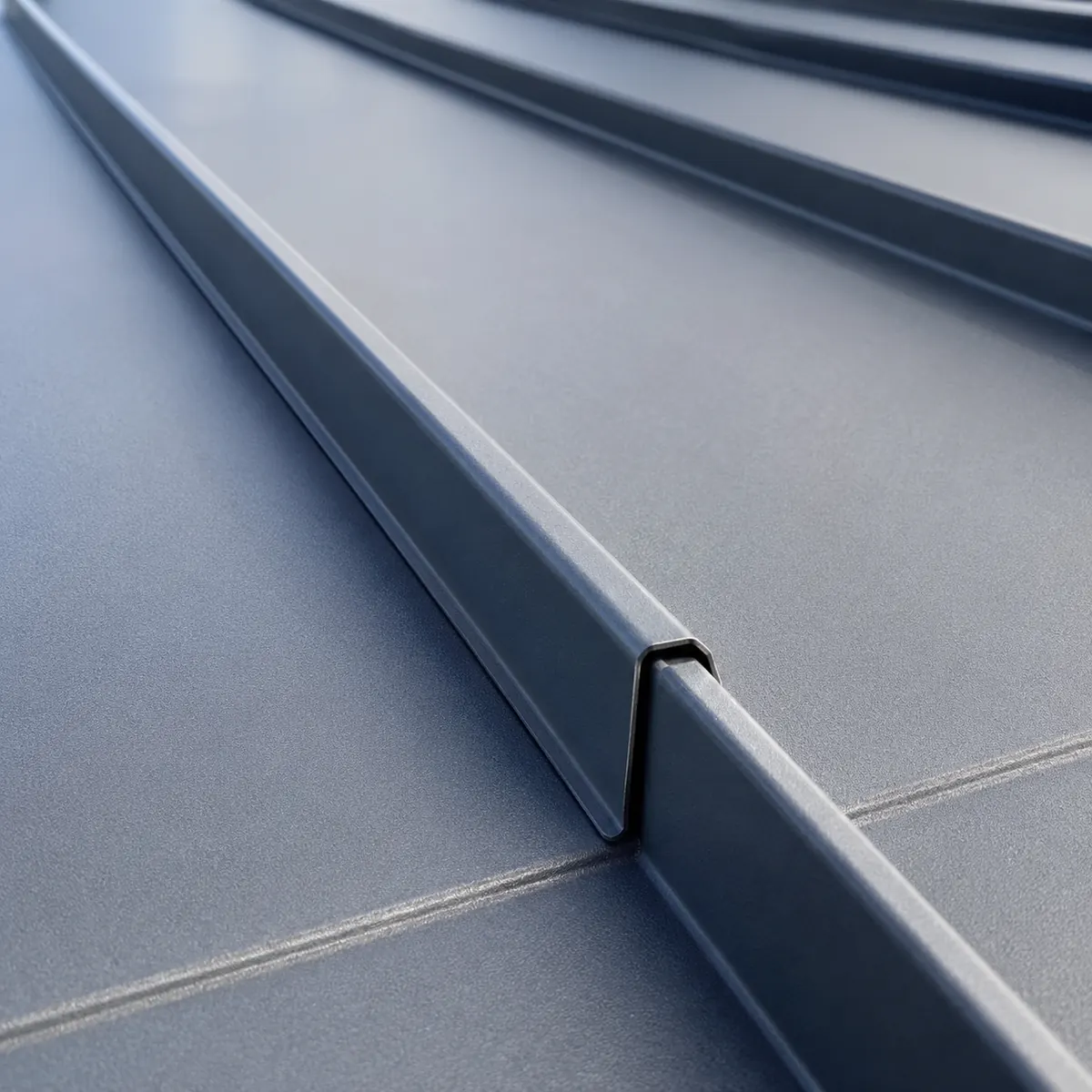
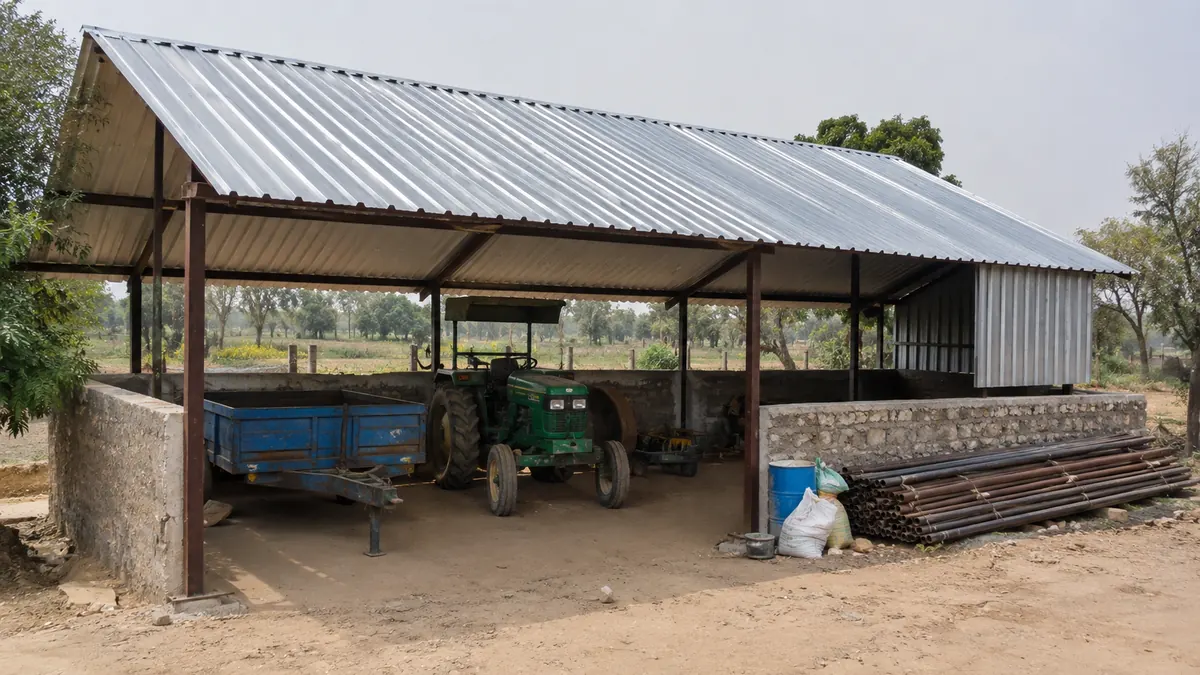
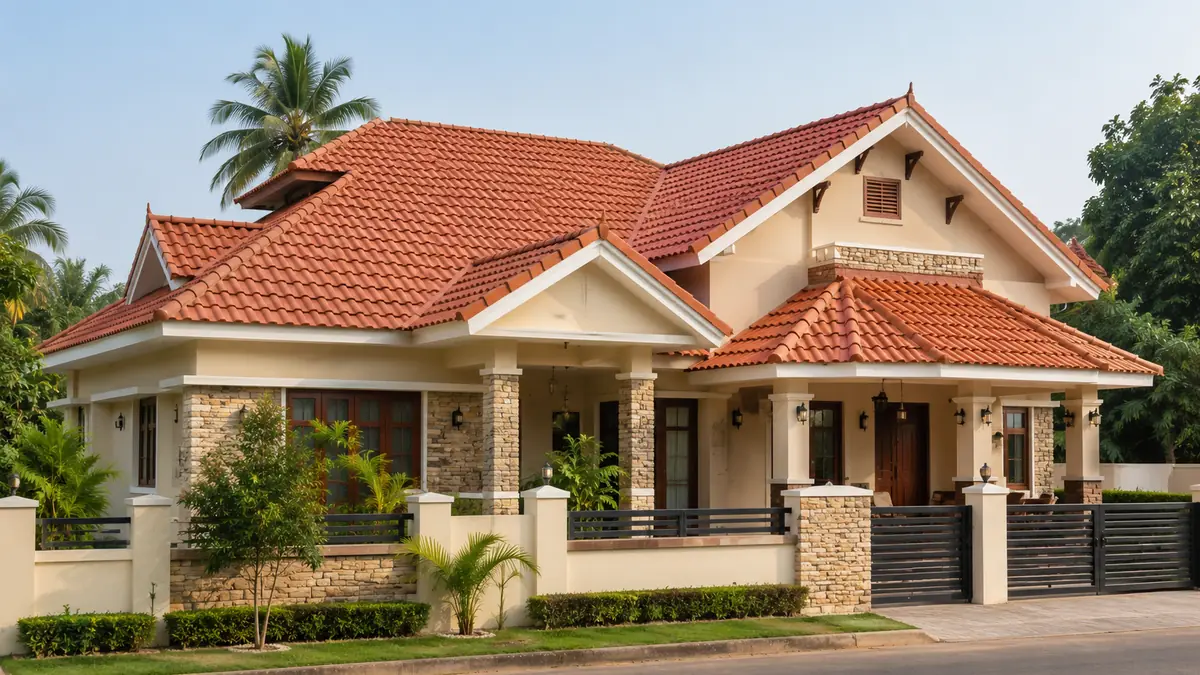
Corrugated (the classic wave) is the economical, familiar profile for utility roofs. Trapezoidal ribs span further and shed water faster — the standard for sheds and factories. Tile profile turns steel into a home elevation — the design choice for villas and resorts. Standing seam / concealed-fix eliminates exposed screw holes entirely — the premium answer for leak-critical and long-span roofs, installed with clips and skilled hands. Crimped curved sheets form canopies and arches. Same steel families throughout — the profile changes the look, the span and the fixing method, not the metallurgy.
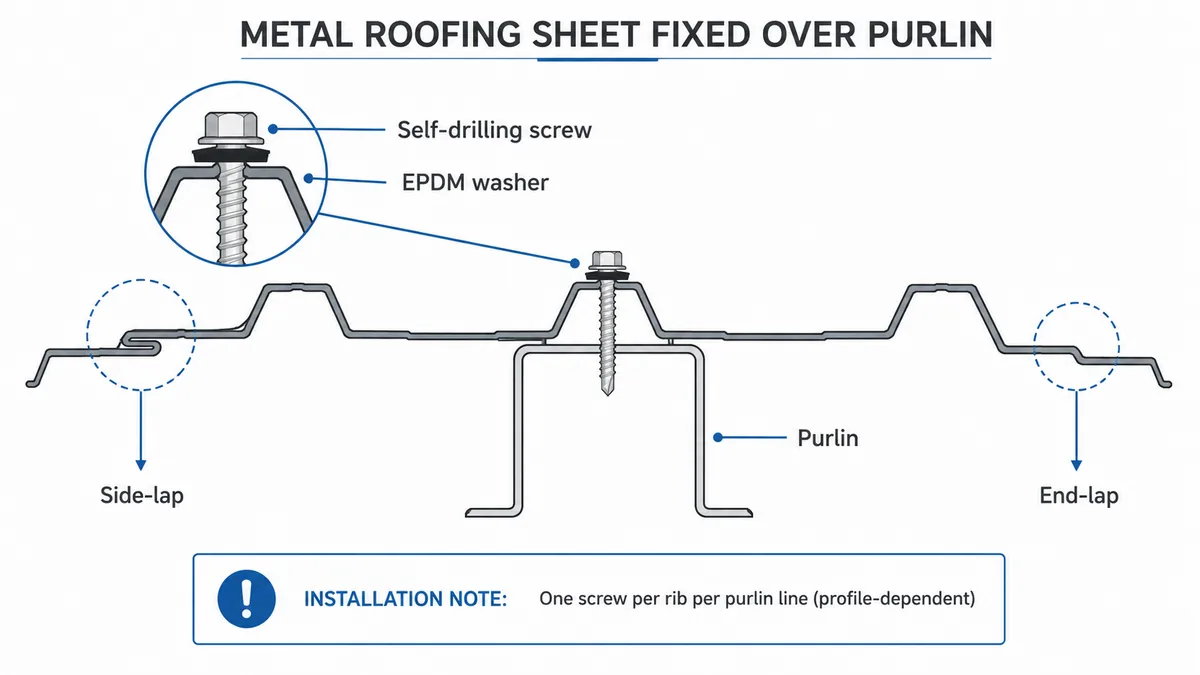
And the fixing reality most pages skip: exposed-fastener profiles are only as waterproof as their screws — self-drilling screws with EPDM washers, correct length for the purlin, driven straight and not over-tightened. We quote fasteners and flashings as visible line items, never buried.
Heat — what a metal sheet can and cannot do
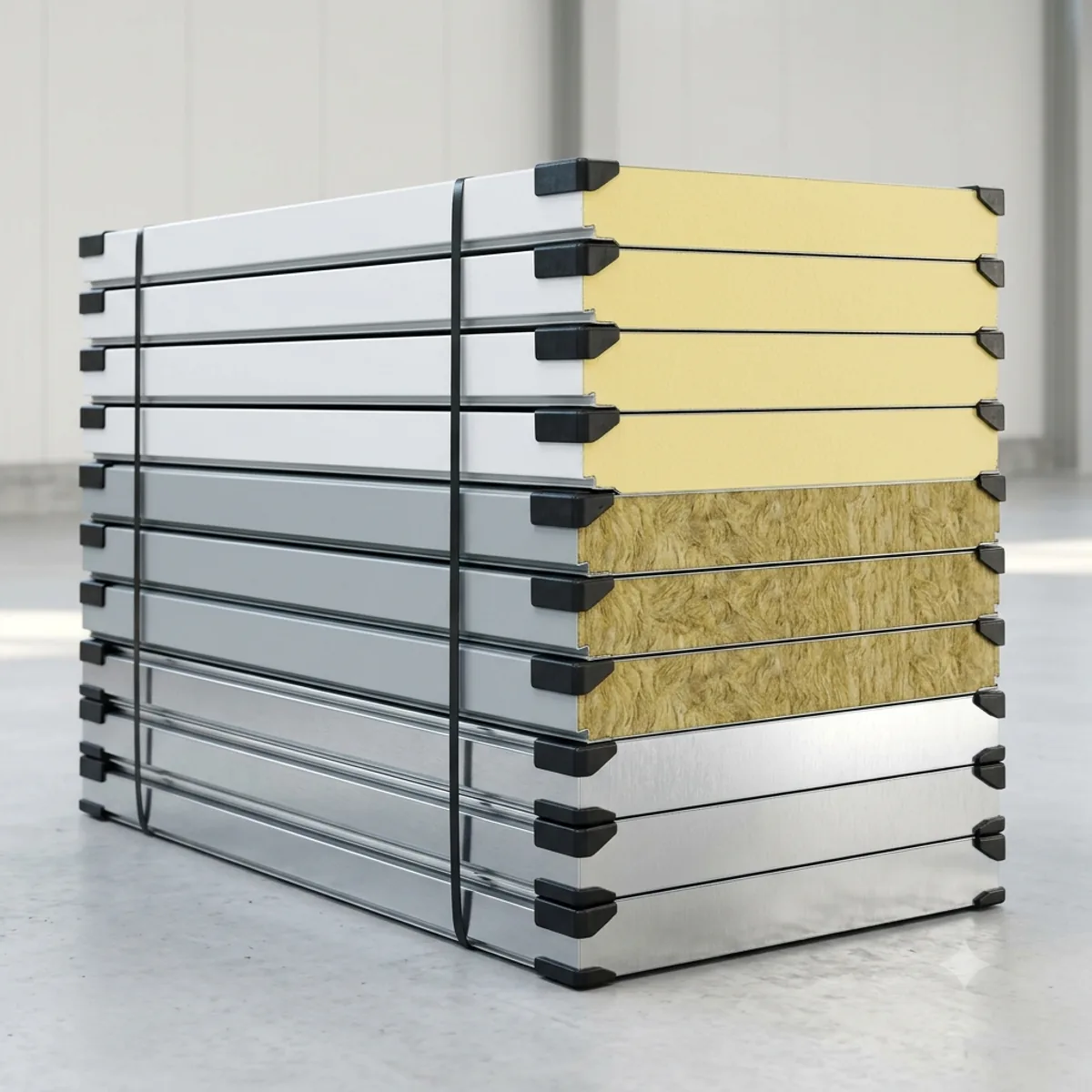
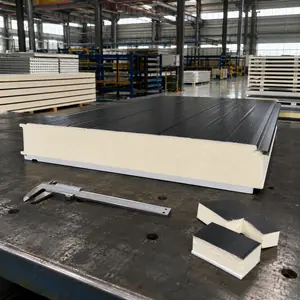
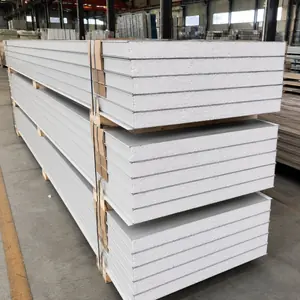
A light-colour PPGL sheet genuinely reflects more sun than bare metal, and it's the right first step against heat. But a single-skin metal sheet cannot insulate — it slows nothing once heat is through. If the requirement is a genuinely cooler interior — work floors, offices, anything occupied through an Indian summer — the correct product is an insulated panel roof, and we make those too: see our PUF roof panels built for heat control. Honest sequencing: colour first, insulation when the requirement is real.
Sizes, coverage and screws — the ordering math
Corrugated GI comes 910/1220 mm wide; profiled colour sheets cover roughly 1000–1070 mm after overlap; lengths are cut to order so long roofs take fewer joints. Count with covered width (never flat width): roof length ÷ covered width, rounded up, per side. Screws: plan roughly one per rib per purlin line — the exact count depends on profile and purlin spacing, and our quotation lists screws, ridge, flashings and gutters as separate items so nothing surprises you on site. These sheets also pair naturally with structural work — for complete steel buildings, see our industrial shed structures we fabricate.
What decides the price
Family first (GI cheapest → Galvalume → PPGI → PPGL → premium/tile/standing seam → aluminium → stainless), then gauge, coating class, paint system, profile, length and quantity — accessories, GST, transport and unloading always separate. The From ₹58/sq ft base is the 0.30 mm GI economy spec; the full metal rate card lives on the roofing price page when Phase 2 opens. Send your building size and use, and the quotation comes back with gauge, coating, TCT and BMT all stated.
Delivery, brands and quotation
Dispatch from Bangalore (South) and Greater Noida (North/NCR), 3–5 business days standard — Delivery Policy. Material is ISI-marked and brand-backed — Tata, JSW, SAIL or equivalent approved brands per category — with the brand and standard (IS 277, IS 459 profiles, ASTM A653/A792 class) stated on the quotation and coating warranties confirmed with brand documents at quotation. Returns per the Refund & Return Policy. Supply-only unless stated otherwise.
Why buy metal roofing sheets from SAMAN
We are not a trading counter — we build with these sheets every week on our own cabins, sheds and prefab structures. That's why our recommendation engine is simple and honest: the gauge that survives site handling, the coating class that matches your city's air, the profile that suits the span, both thickness numbers on paper, and every accessory priced in the open. To see how metal compares against every other roof sheet material, start at the complete roofing sheet comparison.
Get a metal roofing sheet quotation
South India
+91 88616 22859 · sales@samanportable.com
North India / Delhi NCR
+91 87960 39938 · ncr@samanportable.com
Or use the Send Enquiry form with your building size, use, preferred colour and site city — we return gauge, coating and both thickness numbers in writing.
Metal Roofing Sheet Technical Specifications
Steel family engineering matrix
| Family | Thickness options | Coating | Finish | Width / cover | Standards |
|---|---|---|---|---|---|
| GI / GC galvanized | 0.30 / 0.35 / 0.40 / 0.45 / 0.50 / 0.60 / 0.80 / 1.00 mm BMT | Z80–Z275 zinc | Natural zinc spangle, paintable | 910 / 1220 mm, length cut to order | IS 277, ASTM A653, IS 459 profile |
| Bare Galvalume / Aluzinc | 0.35 / 0.45 / 0.50 mm TCT | AZ100–AZ150 Al-Zn | Bare metallic | 1000–1070 mm cover after profiling | ASTM A792 class |
| PPGI colour-coated | 0.35 / 0.40 / 0.45 / 0.50 mm TCT | Z80–Z180 + primer + 15–25 µm colour coat | Full colour range | 1000–1070 mm cover | IS 14246 class |
| PPGL colour-coated | 0.35 / 0.40 / 0.45 / 0.50 / 0.60 mm TCT | AZ100–AZ200 + 20–25 µm colour coat | Full colour range | Full width 1070–1220 mm; cover ~1000–1070 mm | ASTM A792 + paint class |
| Premium coated steel | 0.47 / 0.50 mm TCT | AZ150 + SDP/PVDF premium paint | Premium colour systems | Full 1070 mm / covered ~1010 mm; 8–24 ft lengths | Brand systems |
| Tile profile steel | 0.45 / 0.50 mm TCT | AZ150 preferred + colour coat | Tile-look colour | Profile-specific cover | Profile standards |
| Standing seam / concealed fix | 0.50 mm TCT | AZ150 + premium paint | No exposed fasteners | Roll-formed long lengths | System standards |
| Curved / crimped | 0.50 mm TCT | AZ150 + colour coat | Colour, factory-curved | Radius per site design | Profile standards |
| Aluminium corrugated | 0.70 mm | Mill / anodized / colour | Metallic or colour | Supplier profile | Aluminium class |
| Stainless SS 304 | 0.50 mm | Passivated | Stainless | Supplier profile | SS 304 |
| GI decking | 0.80 / 1.00 mm BMT | Z120 / Z275 | Structural deck | Profile depth 44–75 mm; cover 900–1000 mm | Deck standards |
Buying rules (owner-locked)
| Rule | Value |
|---|---|
| Everyday standard | 0.50 mm PPGL colour, AZ150 preferred |
| Economy standard | 0.50 mm GI/GC, Z275 where available |
| Thickness truth | Quotes state BOTH TCT and BMT; strength = BMT |
| Zinc classes (GI) | Z80 economy → Z120 standard → Z180 heavy → Z275 industrial |
| Aluzinc classes | AZ100 economy → AZ150 standard → AZ200 premium |
| Paint systems | RMP/SMP polyester standard · SDP/PVDF premium; warranties brand-backed, confirmed at quotation |
| Fasteners | Self-drilling screws with EPDM washers, length per purlin; quoted as separate line items with ridge/flashing/gutters |
| Brands | Tata / JSW / SAIL or equivalent approved, stated on quotation |
| Price basis | Fixed ex-GST ₹/sq ft; GST, transport, unloading, accessories separate |
Customer Reviews
0 reviews
No reviews yet. Be the first to review this product.
Write a Review for Metal Roofing Sheet
Frequently asked questions
Which metal sheet is best for roofing?
For most Indian buildings: 0.50 mm PPGL colour-coated sheet with AZ150 coating — the best life-to-cost balance, and our locked standard recommendation. Pure economy work does fine with 0.50 mm GI; coastal sites step up to aluminium or heavier AZ coatings.
Is a tin sheet the same as a GI sheet?
Effectively yes. "Tin sheet" is the everyday Indian name for galvanized corrugated steel — there is no actual tin in it. If your requirement or old quote says tin sheet, the GI/GC family on this page is the same product with its real name.
What is the difference between GI and Galvalume roofing sheets?
The coating. GI is zinc-coated steel; Galvalume is coated with an aluminium-zinc alloy that resists corrosion longer at similar cost. Bare-for-bare, Galvalume generally outlasts GI — which is why our colour-coated default (PPGL) is built on the Galvalume base.
What thickness of metal roofing sheet should I use?
0.50 mm BMT is the everyday default for homes, shops and factories. Light utility work can drop to 0.40–0.45 mm; industrial roofs and decking run 0.60–1.00 mm. Always confirm whether a quoted thickness is TCT or BMT — strength lives in the BMT.
How wide is a metal roofing sheet?
Corrugated GI comes 910 or 1220 mm flat; profiled colour sheets cover about 1000–1070 mm after overlap. Order using covered width, not flat width, and get length cut to your roof so joints are minimal.
How many screws per sheet of metal roofing?
Plan roughly one self-drilling screw per rib at every purlin line — the exact count depends on profile and purlin spacing. What matters as much as the count: EPDM-washer screws, correct length, driven straight. Our quotations list fastener quantities explicitly.
How do I reduce heat from a metal sheet roof?
First step: a light-colour PPGL sheet, which reflects meaningfully more sun than bare metal. But no single-skin sheet insulates — for genuinely cooler interiors, the answer is an insulated PUF panel roof, which we also manufacture and will recommend honestly when your use case needs it.
Do you supply Tata or JSW metal roofing sheets?
We supply ISI-marked material from Tata, JSW, SAIL or equivalent approved brands, per category — and we state the brand and standard on the quotation itself. What we don't do is charge a mystery premium for a name: you see the brand, the coating class and both thickness numbers before you pay.