
Explore the Range
Get EPS Panel Quotation
Bangalore & South Zone
Delhi NCR & North Zone
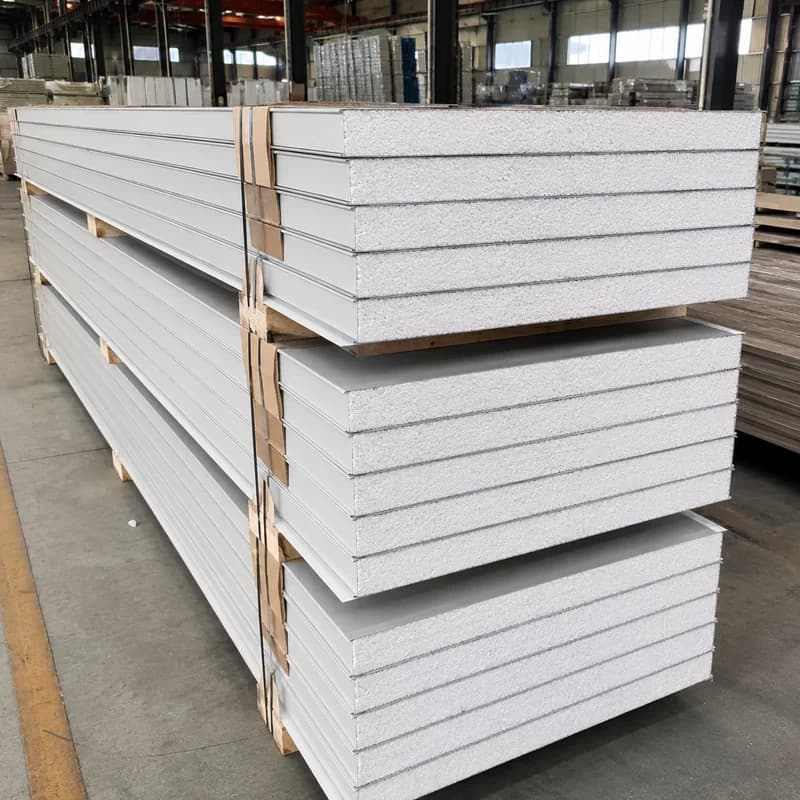
EPS Panel, Lightweight Expanded-Polystyrene Sandwich Panels by SAMAN
From ₹770 / sq mt
30mm base spec · ex-GST · final price at quotation
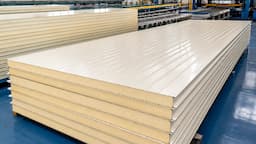
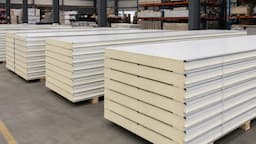
An EPS panel is a steel-faced insulated sandwich panel with an expanded-polystyrene (thermocol) core: two coated steel sheets bonded to a lightweight EPS core for walls, roofs, partitions and dry storage. It is the most budget-friendly of the five sandwich cores, which makes it the practical pick for site offices, sheds, warehouse partitions and economy wall/roof work. SAMAN manufactures EPS sandwich panels on our own lines in Bangalore and Greater Noida, so you buy the finished panel factory-direct and get the core matched to your budget, thickness and site.
- Size
- Thickness 30–150 mm
- Material
- Expanded polystyrene core · coated steel facings
- Delivery
- 3–5 day dispatch
- Coverage
- Bangalore · Delhi NCR
- Brand
- SAMAN Portable
- Steel-faced EPS sandwich panel, wall and roof profiles
- Standard thickness 30–150 mm (incl. 70/90 mm); 110–200 mm made to order
- EPS core density 16 kg/m³ standard; 20–24 kg/m³ upgrade on request
- Supply-only quotes; panel warranty 5–10 years, confirmed at quotation; transport confirmed at quotation
- Factory-direct from Bangalore and Greater Noida · HSN 940690
Product Information
Product Details
Comprehensive information about EPS Panel
What Is an EPS Panel?
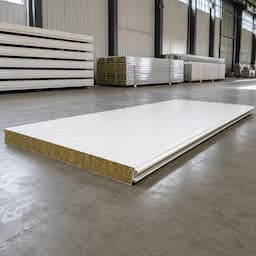
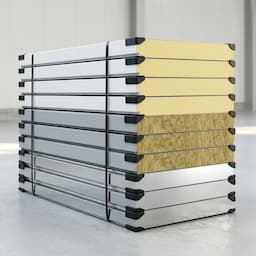
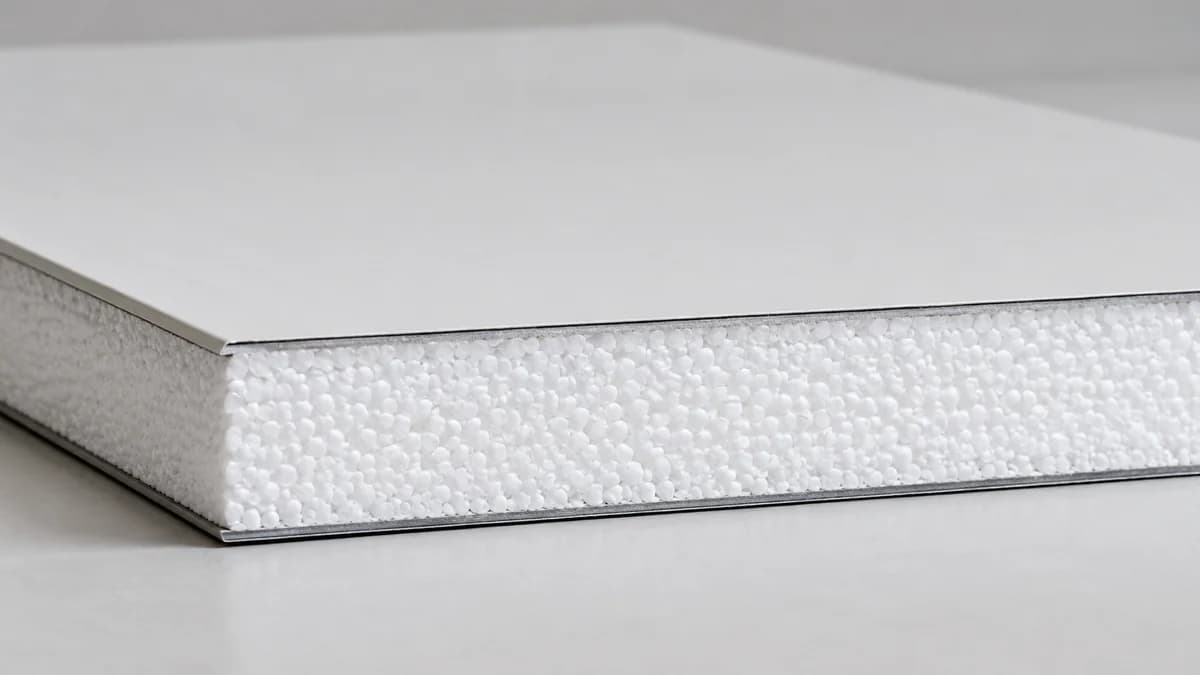
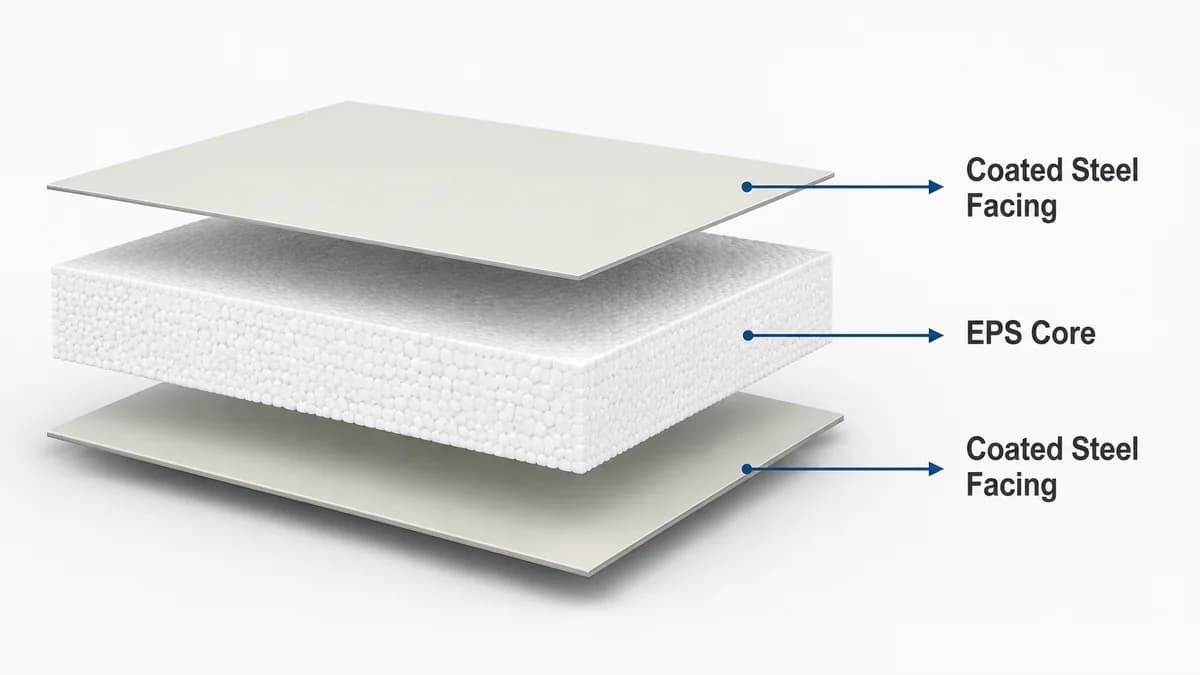
EPS stands for Expanded Polystyrene. The light, closed-cell bead foam many Indian buyers still call “thermocol”. An EPS panel (or EPS sandwich panel) bonds this insulating core between two coated steel facing sheets to make a rigid, lightweight building board. The steel gives strength and a finished surface; the EPS core gives insulation and keeps the panel light and cheap to handle. Because the core is the least expensive of the five sandwich cores, EPS panels are the economy choice for walls, roofs, partitions and dry storage where budget matters more than fire rating or deep-freeze performance. SAMAN also manufactures the higher-performance cores, see our PUF insulated panels, our PIR panels and our non-combustible Rockwool panels, so you can compare all five sandwich panel cores before you commit.
How SAMAN Manufactures EPS Sandwich Panels
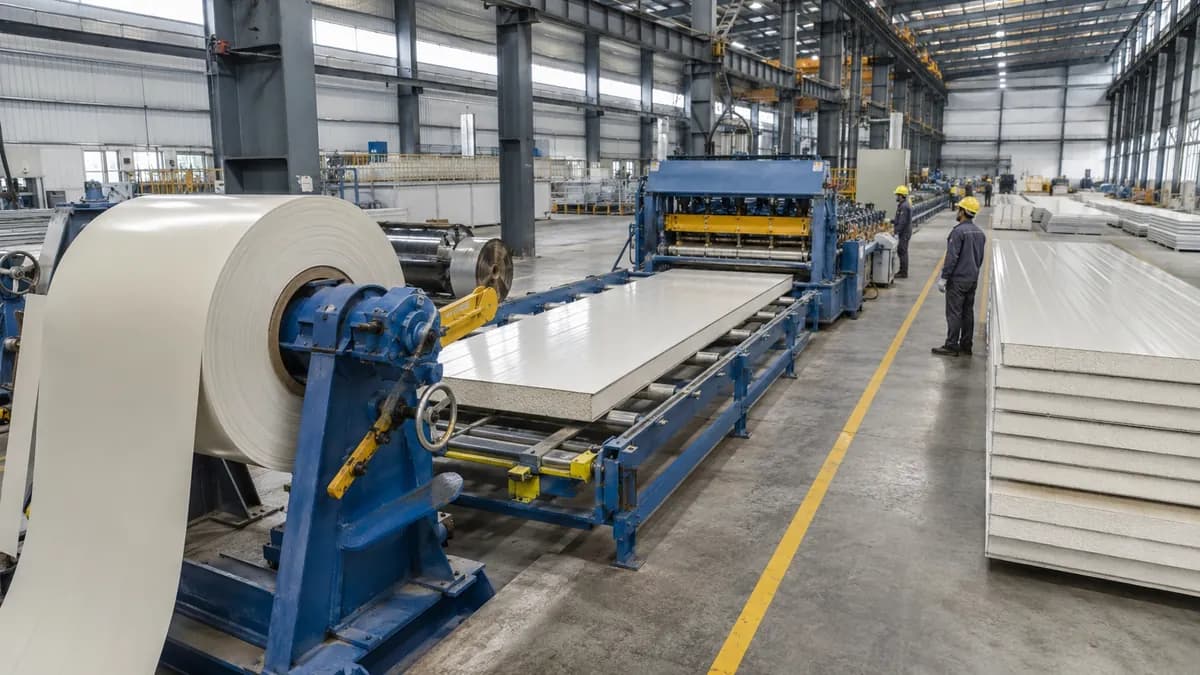
We produce EPS panels on our own lines in Bangalore and Greater Noida, not as a trader. The steel facings are roll-formed and bonded to a cut-to-thickness EPS core with a controlled adhesive line, then trimmed to a tongue-and-groove or overlap edge so panels lock together on site. Facings are PPGI/PPGL coated steel as standard, with Galvalume, stainless or aluminium available on request, and the coating is matched to the environment, polyester for general use, SMP or PVDF for coastal or food-industry sites. Making the panel in-house is why we can dispatch in 3–5 days and confirm the exact build, thickness, facing, coating, joint and accessories, at quotation.
EPS Wall Panels vs EPS Roof Panels
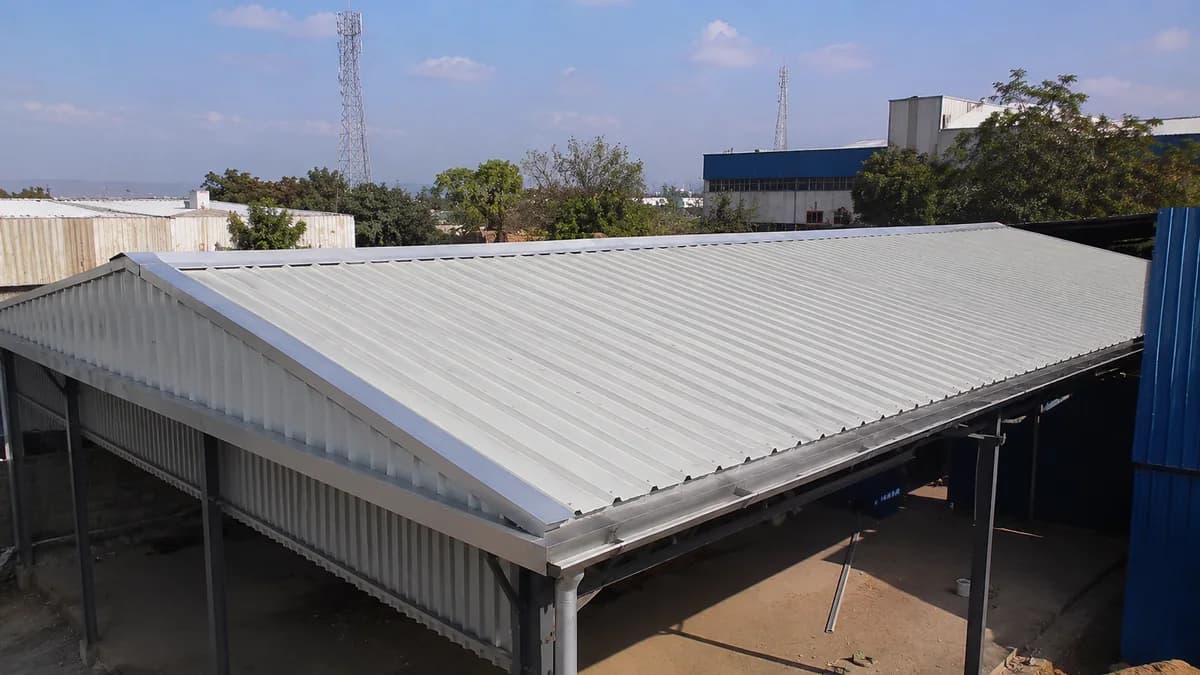
An EPS wall panel uses a flat or lightly-lined profile for partitions, cladding and cabin walls; an EPS roof panel adds a trapezoidal rib for run-off and spanning strength, and is fixed with butyl tape, EPDM washers and sealant at the overlaps to keep water out. Both come off the same core, so the choice is driven by where the panel sits, not by a different material. For dry, sheltered partition work the wall profile at a modest thickness is usually enough; for a roof you step up thickness and pay close attention to the overlap detailing.
Where EPS Panels Are the Right Choice
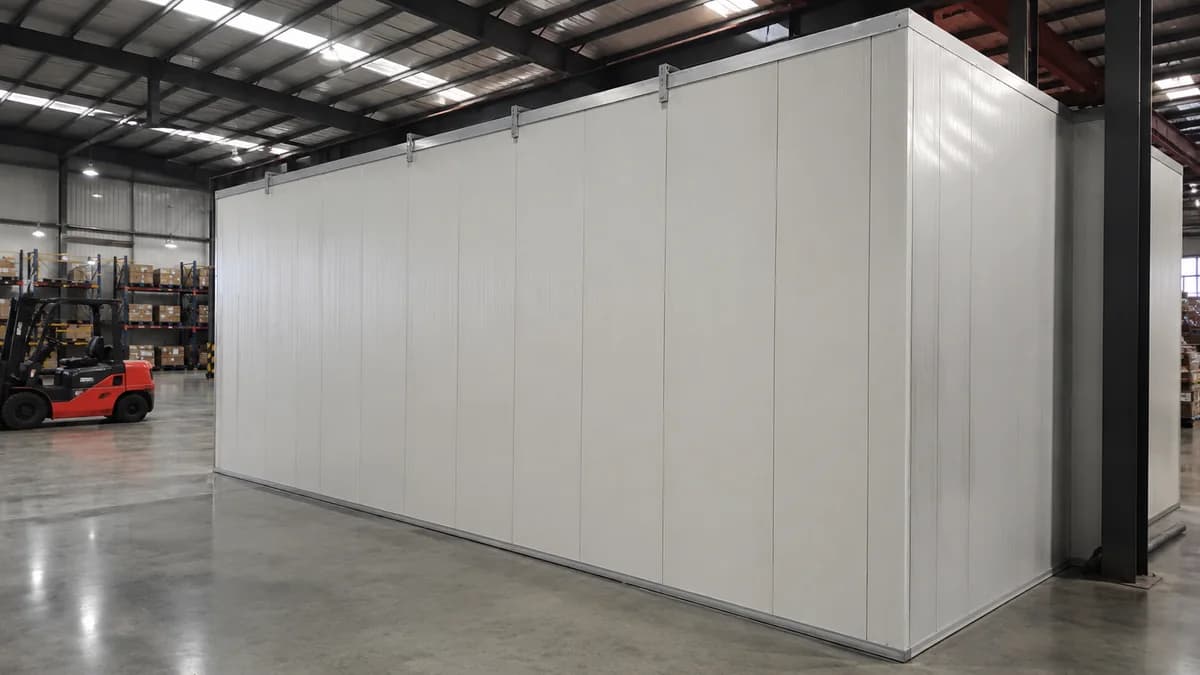
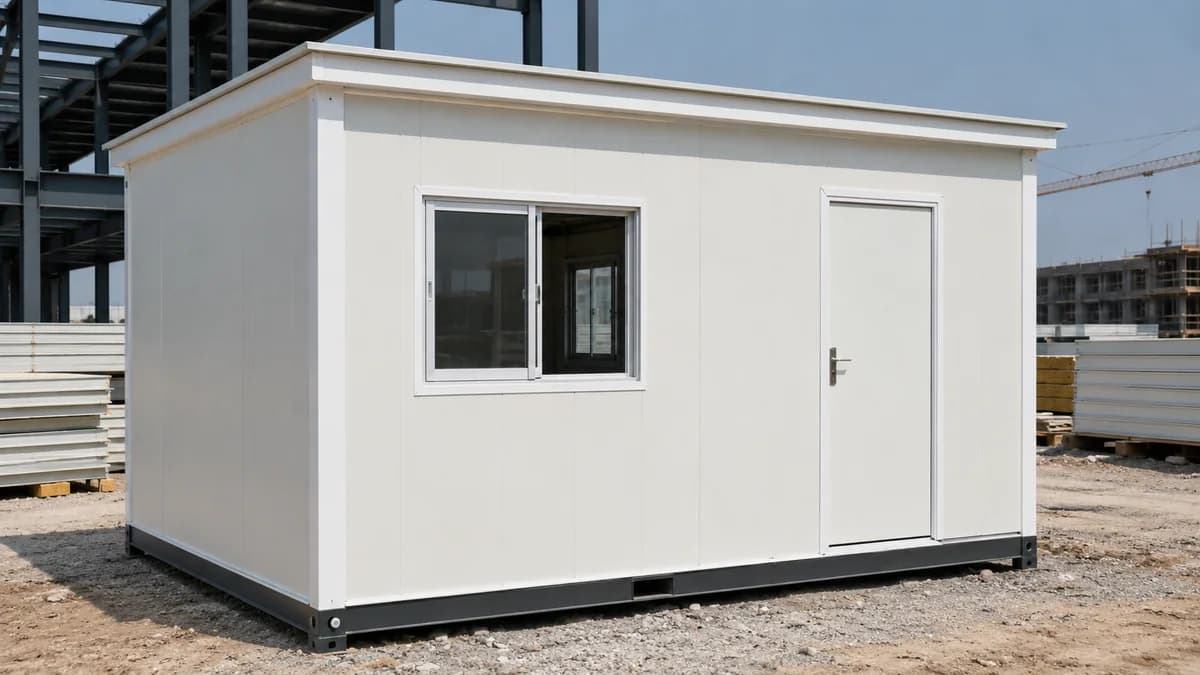
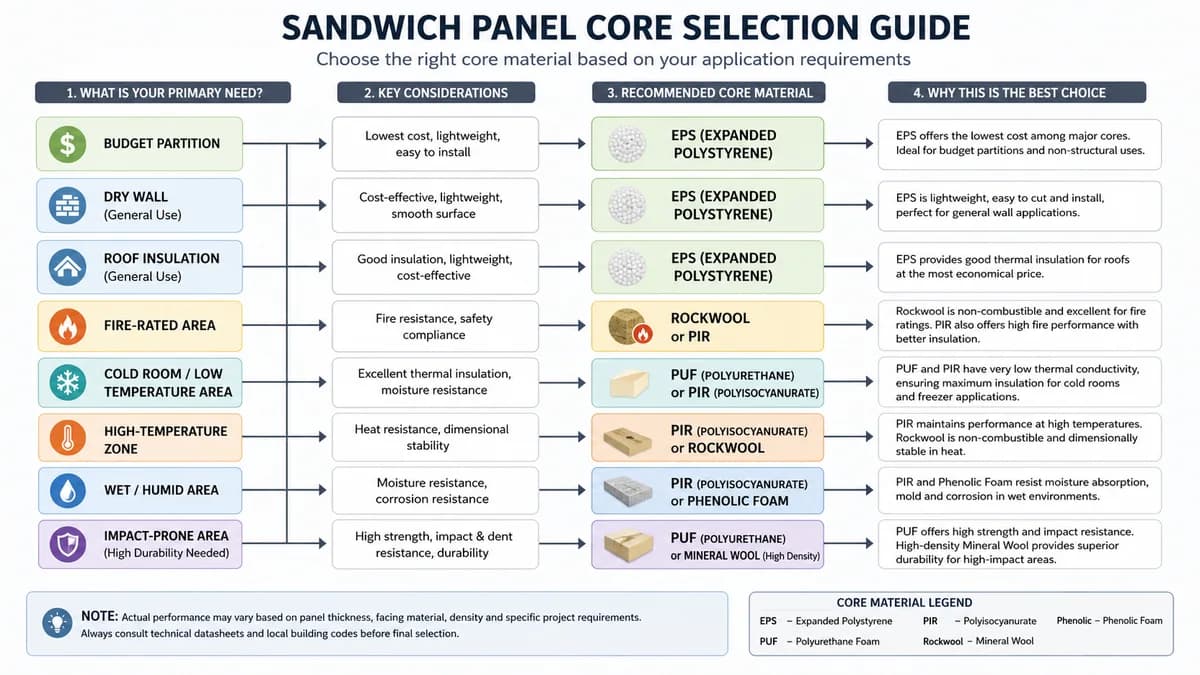
EPS panels earn their place on cost-sensitive, dry, moderate-duty work: warehouse and factory partitions, site offices and portable cabins, temporary sheds, dry-storage rooms, economy wall and roof cladding, and the non-critical interior lining of cold-storage where deep temperature control is not the job. In all of these the panel is light to lift, fast to fix, and priced below every other core, which is exactly why it is specified.
Where EPS Is the Wrong Choice: an Honest Guide
We would rather quote you the right core than sell you the cheapest one twice. Move up from EPS when the job involves: a fire-rated wall or any fire-critical area (choose our non-combustible Rockwool panels or PIR); deep-freeze or high-performance cold rooms and tight temperature control (choose our PUF insulated panels or PIR for their lower thermal conductivity); impact-prone industrial walls that take knocks and forklift traffic; long-span or heavily loaded roofs; or wet, humid or edge-exposed positions where water can reach the core. EPS is a dry, budget, moderate-duty panel, used inside those limits it performs well and saves money; pushed outside them it disappoints.
Choosing EPS Core Density: 16 vs 20–24 kg/m³
Standard EPS core is 16 kg/m³, right for light partitions and sheltered walls. Step up to a 20–24 kg/m³ upgrade when the panel will be handled hard, used as a fuller-height or loaded partition, exposed to more site abuse, or where you simply want a firmer, more dent-resistant board. The denser core costs a little more but survives real sites better; tell us the duty at enquiry and we will recommend the density.
Fire Behaviour of EPS Panels: Read This Before You Specify
Straight talk: a plain EPS core is combustible. A fire-retardant (FR / self-extinguishing) EPS grade is available on request and slows ignition and flame spread, but FR grade does not make EPS a non-combustible or fire-wall material, that is what stone wool is for. If your specification, insurer or building code calls for a non-combustible core or a fire rating, do not force EPS to do that job; use our non-combustible Rockwool panels or PIR instead. Used in low fire-risk, code-permitted positions, EPS is a sound economy choice.
Sizes, Delivery, Warranty and Quotation
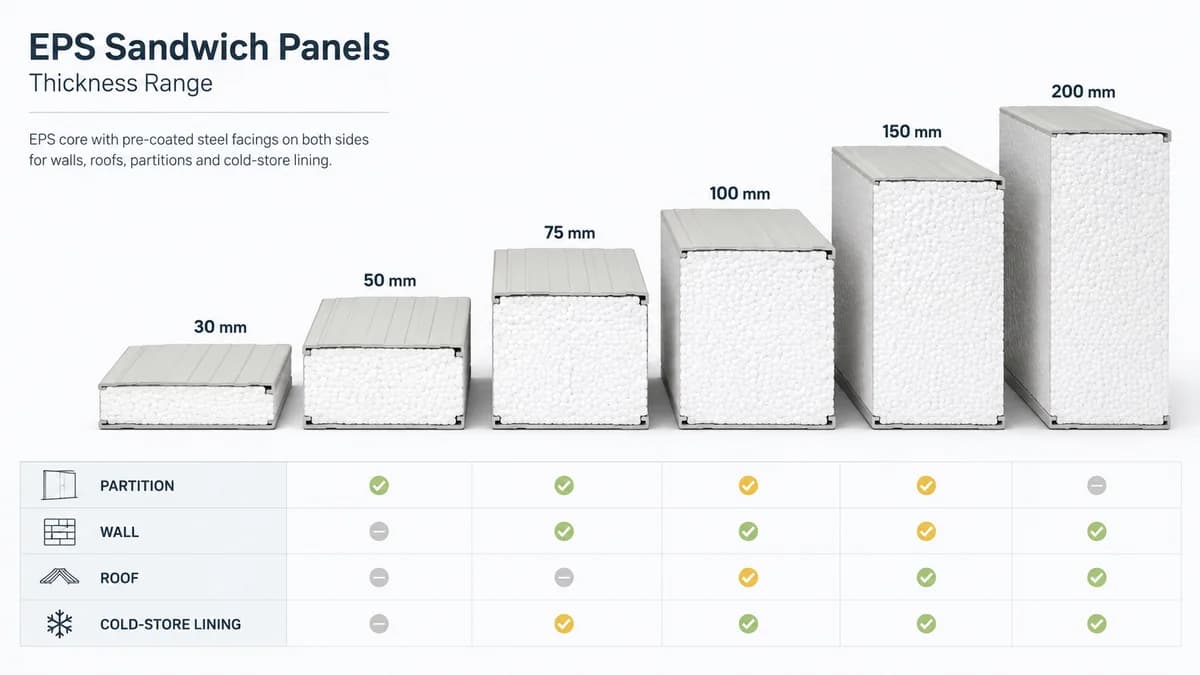
EPS panels are manufactured in standard thicknesses of 30, 40, 50, 60, 70, 80, 90, 100 and 150 mm, with 110, 120, 130, 140 and 200 mm made to order against advance payment (price and lead time confirmed at quotation). Effective cover width is 1000–1170 mm depending on profile, and panels run up to about 12 m. We dispatch in 3–5 days from Bangalore and Greater Noida.
EPS panel warranty: 5–10 years, confirmed at quotation (a separate line from any structural-frame warranty). Prices shown are ex-GST and exclude transport, unloading, installation, accessories, cut-outs and special profiles, which are quoted separately. Delivery follows our delivery policy and returns follow our returns policy. Send your wall/roof, thickness, facing and quantity to the zone team above and we will confirm the exact panel and price at quotation. HSN 940690.
Get EPS Panel Quotation
Bangalore & South Zone
Delhi NCR & North Zone
EPS Sandwich Panel: Technical Specifications
Every SAMAN EPS panel is a three-layer engineered board: two coated steel facing sheets bonded to an expanded-polystyrene core. The tables below give the real engineering data for the EPS core we manufacture, density, thermal conductivity, fire and acoustic behaviour, facings, joints and thickness-wise performance, so you can specify the panel straight from this page.
EPS Core Engineering
Owner-verified
| Core material | Expanded polystyrene (EPS) bead foam, closed-cell |
| Core density | 16 kg/m³ standard; 20–24 kg/m³ upgrade on request |
| Design thermal conductivity (λ) | 0.036 W/m·K |
| Fire behaviour | Combustible core; FR / self-extinguishing EPS grade available on request, not a non-combustible / fire-wall core |
| Acoustic behaviour | Low to moderate |
| Moisture notes | Closed-cell EPS; cut edges, joints and penetrations must be sealed |
| Service temperature | −30°C to +70°C practical dry-use range |
| Best applications | Budget partitions, site offices, temporary sheds, dry storage, economy wall/roof |
| Use caution | Not for fire-rated walls, deep-freeze cold rooms, impact-prone or wet/edge-exposed positions |
- Core material
- Expanded polystyrene (EPS) bead foam, closed-cell
- Core density
- 16 kg/m³ standard; 20–24 kg/m³ upgrade on request
- Design thermal conductivity (λ)
- 0.036 W/m·K
- Fire behaviour
- Combustible core; FR / self-extinguishing EPS grade available on request, not a non-combustible / fire-wall core
- Acoustic behaviour
- Low to moderate
- Moisture notes
- Closed-cell EPS; cut edges, joints and penetrations must be sealed
- Service temperature
- −30°C to +70°C practical dry-use range
- Best applications
- Budget partitions, site offices, temporary sheds, dry storage, economy wall/roof
- Use caution
- Not for fire-rated walls, deep-freeze cold rooms, impact-prone or wet/edge-exposed positions
Facings, Dimensions and Joints
Owner-verified
| Standard facings | PPGI / PPGL coated steel (Galvalume / aluminium / stainless on request) |
| Facing thickness | 0.35–0.60 mm; 0.50/0.50 mm recommended for industrial use |
| Coating / finish | PPGI/PPGL polyester standard; SMP / PVDF / SS for coastal and food environments |
| Effective width | 1000–1170 mm, profile-dependent |
| Panel length | Up to 12 m typical |
| Joints | Tongue-and-groove standard; camlock for cold rooms; roof overlap with butyl tape, EPDM washers and sealant |
| Thickness: standard | 30 / 40 / 50 / 60 / 70 / 80 / 90 / 100 / 150 mm |
| Thickness: made to order | 110 / 120 / 130 / 140 / 200 mm, advance payment; price and lead time confirmed at quotation |
| HSN (GST/RFQ) | 940690 |
- Standard facings
- PPGI / PPGL coated steel (Galvalume / aluminium / stainless on request)
- Facing thickness
- 0.35–0.60 mm; 0.50/0.50 mm recommended for industrial use
- Coating / finish
- PPGI/PPGL polyester standard; SMP / PVDF / SS for coastal and food environments
- Effective width
- 1000–1170 mm, profile-dependent
- Panel length
- Up to 12 m typical
- Joints
- Tongue-and-groove standard; camlock for cold rooms; roof overlap with butyl tape, EPDM washers and sealant
- Thickness: standard
- 30 / 40 / 50 / 60 / 70 / 80 / 90 / 100 / 150 mm
- Thickness: made to order
- 110 / 120 / 130 / 140 / 200 mm, advance payment; price and lead time confirmed at quotation
- HSN (GST/RFQ)
- 940690
Thickness-Wise Thermal Performance (Core-Only Values)
Approximate R-value (m²K/W) and weight (kg/m² at 0.45/0.45 mm steel facings) by thickness:
| Thickness | R-value (m²K/W) | Weight (kg/m²) |
|---|---|---|
| 30 mm | 0.83 | 7.6 |
| 40 mm | 1.11 | 7.8 |
| 50 mm | 1.39 | 8.0 |
| 60 mm | 1.67 | 8.2 |
| 80 mm | 2.22 | 8.5 |
70, 90, 100 and 150 mm EPS panels are also manufactured; core-only R-value scales with thickness at λ 0.036 W/m·K, and exact weight and system performance are confirmed at quotation. Values are core-only thermal calculations; actual system performance varies by profile, joint, facing and installation.
How to Read This When Specifying
Set thickness from the R-value column against your insulation duty, choose the wall or roof profile by position, pick the facing and coating from the environment, and raise the core density if the panel will be handled hard. Then send the filled requirement with your enquiry and we confirm the exact panel, joints and accessories at quotation. GST, transport, unloading, installation, accessories, cut-outs and special profiles are quoted separately.
Request Exact Quotation
Bangalore & South Zone
Delhi NCR & North Zone
Dispatch, Delivery and Returns
EPS panels dispatch in 3–5 days from our Bangalore and Greater Noida factories, with the nearest factory serving your project for shorter transit and lower freight. Transport, unloading and delivery charges are confirmed at quotation, per our delivery policy.
Cut edges and penetrations are sealed during installation to keep moisture out of the core, and openings are trimmed with matching accessories supplied against the project requirement. Returns follow our returns policy.
Customer Reviews
0 reviews
No reviews yet. Be the first to review this product.
Write a Review for EPS Panel
Frequently Asked Questions
What is an EPS panel?
An EPS panel is a steel-faced insulated sandwich panel with an expanded-polystyrene core. Two coated steel sheets are bonded to a lightweight EPS foam core to make a rigid board used for walls, roofs, partitions and dry storage. It is the most economical of the sandwich-panel cores.
What is the full form of EPS?
EPS stands for Expanded Polystyrene. The light, closed-cell bead foam commonly called "thermocol" in India.
Is a "thermocol panel" the same as an EPS panel?
When someone says "thermocol panel" in a building context they usually mean an EPS sandwich panel, thermocol is the everyday name for expanded polystyrene. It is not the same as a loose thermocol sheet or packaging foam; our EPS panel is a steel-faced structural building panel.
Are EPS panels fire-resistant?
A standard EPS core is combustible. A fire-retardant (FR / self-extinguishing) EPS grade is available on request and slows ignition and flame spread, but it does not make EPS non-combustible. For fire-rated or fire-critical work, choose a Rockwool or PIR panel instead.
What thickness of EPS panel should I choose?
Match thickness to your insulation duty using the R-value table, thicker cores give higher R-values. Light partitions often use 30–50 mm; walls and roofs needing more insulation move to 60–100 mm. Standard runs 30–150 mm, with 110–200 mm made to order.
Can EPS panels be used for both walls and roofs?
Yes. Wall profiles suit partitions and cladding; roof profiles add a rib for run-off and spanning strength and are sealed at the overlaps. Both use the same EPS core.
What is the difference between EPS and PUF or PIR panels?
EPS is the budget core with higher thermal conductivity (λ 0.036) and a combustible core. PUF and PIR have lower conductivity (better insulation) and better fire behaviour, at a higher price. Choose EPS for economy dry work, and PUF or PIR for cold rooms, higher performance or fire-conscious jobs.
Are EPS panels waterproof?
The closed-cell core resists moisture, but EPS panels are not for wet or edge-exposed positions unless every cut edge, joint and penetration is properly sealed. Keep them to dry, sheltered duty.
Get EPS Panel Quotation
Bangalore & South Zone
Delhi NCR & North Zone
ISO 9001:2015
E20250218645
ISO 14001:2015
E20250218646
ISO 45001:2018
E20250218647
NSIC Government Purchase Enlistment
NSIC/GP/BAN/2024/0055207
Startup India Recognition
DIPP56005
Udyam Registration
UDYAM-KR-03-0172770