
Eco-Friendly Portable Cabins for Sustainable Living

Eco-friendly portable cabins are a practical way to put up a working space with less waste and lower running cost than conventional construction. Because the cabin is built in a factory on a steel frame, it uses material efficiently, can be relocated instead of demolished, and is insulated to cut energy use on site. SAMAN POS India Private Limited (SAMAN Portable) has manufactured portable cabins in India since 2009, and this guide explains what actually makes a cabin eco-friendly, without the marketing gloss.
Why portable cabins are a greener option
- Factory construction uses material efficiently and creates less site waste.
- Steel frames are durable and recyclable at end of life.
- Insulated panels reduce the energy needed to heat and cool the cabin.
- A cabin can be moved and reused rather than demolished.
What Makes a Portable Cabin Eco-Friendly
A cabin is “eco-friendly” for concrete, checkable reasons, not slogans. The biggest factors are how it is built, how well it is insulated, and whether it can be reused. A factory-built steel cabin scores on all three: controlled construction reduces waste, good insulation lowers ongoing energy use, and the unit can be relocated to a new site instead of being knocked down.
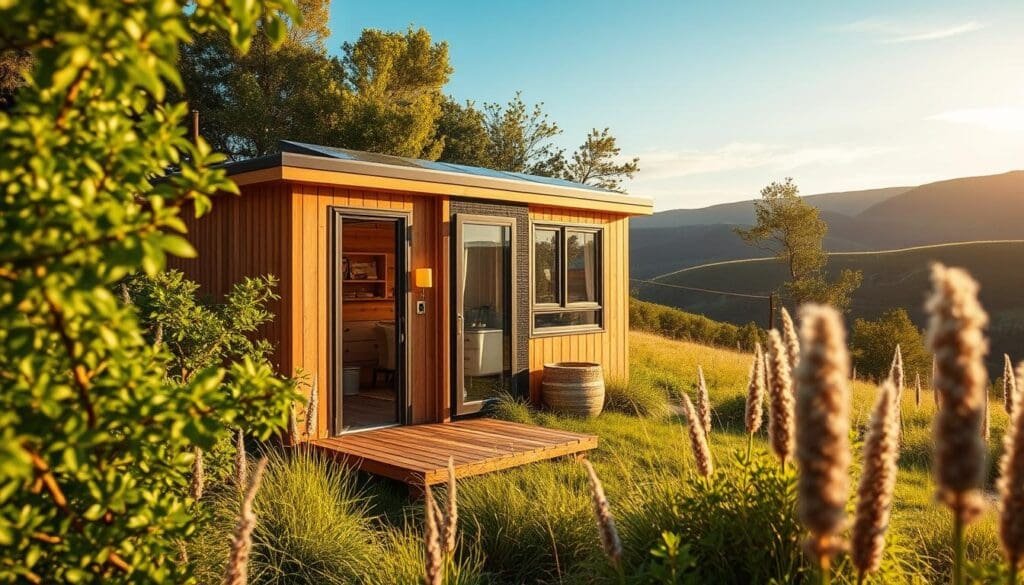
Materials and Build
SAMAN cabins are built on an IS 2062 structural steel frame. Steel is durable and fully recyclable, so the frame holds its value and does not end up as rubble. Wall and roof panels are insulated to keep the interior comfortable, and the controlled factory process means offcuts and waste are kept low compared with building on site.
Energy Efficiency
The single largest environmental impact of any cabin in use is the energy it consumes. Insulated wall and roof panels reduce heat gain in summer and retain warmth when needed, so air-conditioning and heating work less. Specifying LED lighting and arranging windows for daylight reduces electricity use further.
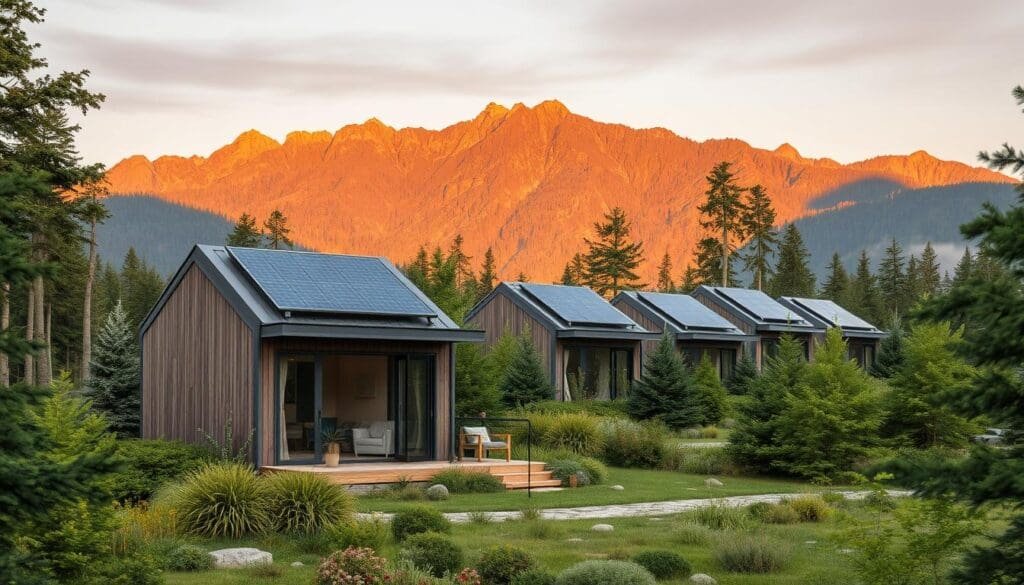
Water Conservation
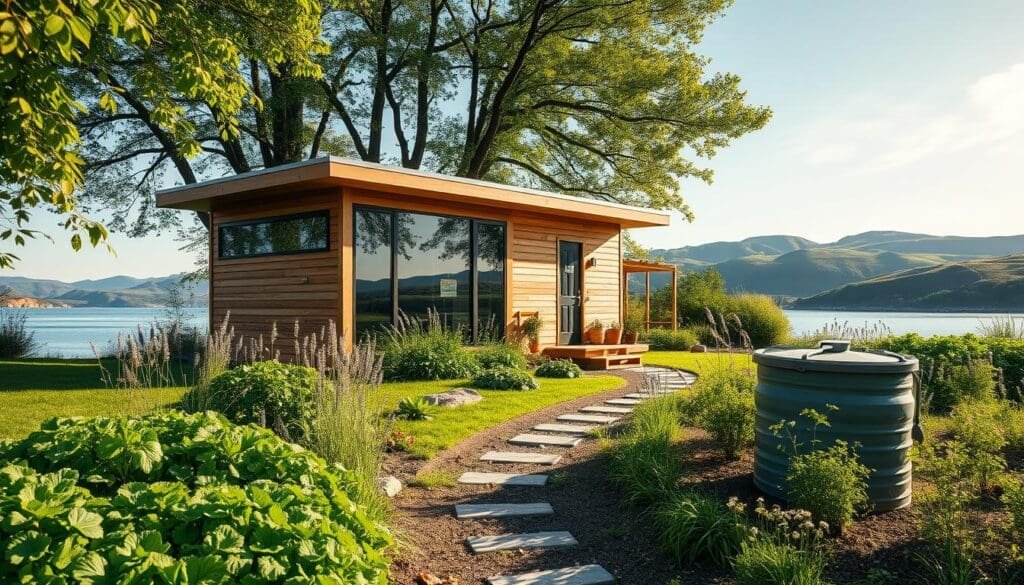
For cabins with a washroom or kitchen, water use can be reduced with low-flow fittings, and sites can pair the cabin with rainwater harvesting. These are simple, proven measures rather than novelties, and they add up across a project.
Reusable and Relocatable
The strongest green argument for a portable cabin is its second life. When a project ends, the cabin is lifted and moved to the next site rather than demolished. This avoids the waste of conventional teardown and means a single well-built unit can serve many years across many locations, which is exactly what our engineered service life is designed for.
Where Eco-Friendly Cabins Are Used in India
The same design that saves energy also suits everyday Indian requirements:
- Site offices that move from project to project.
- Worker accommodation that is reused across sites.
- Security and storage cabins with a long, low-impact service life.
- Temporary rooms where conventional construction would be wasteful.
What Affects the Cost
The cost of an eco-friendly cabin is driven by the same factors as any quality cabin: size, the steel frame and base, the level of insulation, the fit-out you choose, and your site and quantity. Better insulation and a heavier frame cost more up front but lower running cost and last longer. For an accurate figure, share your specification and we return a single factory-direct quote.
Why Choose SAMAN
- Serving India since 2009, incorporated as SAMAN POS India Private Limited in 2019, with 500+ projects delivered.
- Two manufacturing units: Gopasandra, Bengaluru 560099 and Jalpura, Greater Noida 201308.
- ISO 9001:2015 quality systems, with frames built to IS 2062 structural steel.
- Written warranty: 5 years structural frame and base + 1–2 years finishing + 20–25 years engineered service life.
Explore our factory-assembled portable cabins to see configurations and sizes.
Talk to our team: Call +91 88616 22859 or use the Send Enquiry button with your cabin size, fit-out and site location for a factory-direct quote.
Why Buy Your Portable Cabin Factory-Direct from SAMAN
SAMAN manufactures portable cabins in-house on an IS 2062 steel frame at its Bangalore (Gopasandra 560099) and Greater Noida (201308) units, with 500+ projects delivered. Delivery is Rs 3,000 with 3–5 day transit. Warranty is 5 years structural frame and base + 1–2 years finishing + 20–25 years engineered service life. Call or WhatsApp +91 88616 22859, or send an enquiry, for a size-matched quote. Browse the full portable cabins range or our buy portable cabin page.
Verified manufacturer credentials: ISO 9001:2015 Cert No. E20250218645, ISO 14001:2015 Cert No. E20250218646, ISO 45001:2018 Cert No. E20250218647, NSIC enlisted Ref. NSIC/GP/BAN/2024/0055207, DPIIT recognised startup Ref. DIPP56005, Udyam registered UDYAM-KR-03-0172770, GST 29ABBCS7101B1ZR Bangalore and 09ABBCS7101B1ZT Noida.
FAQ
What makes a portable cabin eco-friendly?
A portable cabin is eco-friendly because it is built efficiently in a factory with low waste, uses a durable and recyclable steel frame, is insulated to cut energy use, and can be relocated and reused instead of demolished.
What materials are eco-friendly portable cabins made from?
SAMAN cabins use an IS 2062 structural steel frame with insulated wall and roof panels. Steel is fully recyclable, and factory construction keeps material waste low compared with conventional building.
How do eco-friendly cabins reduce energy use?
Insulated panels reduce heat gain and loss, so cooling and heating work less. Adding LED lighting and arranging windows for daylight reduces electricity use further during everyday operation.
Can a portable cabin be reused?
Yes. A well-built cabin can be lifted and moved to a new site when a project ends, rather than demolished. This reuse is one of the biggest environmental advantages over conventional construction.
Are eco-friendly cabins more expensive?
Better insulation and a heavier frame can cost more up front, but they lower running cost and extend service life. The total cost depends on size, insulation, fit-out, site and quantity, so an accurate figure comes from a real specification.
Where are eco-friendly portable cabins used?
They are used as site offices, reusable worker accommodation, security and storage cabins, and temporary rooms. Anywhere a long-life, low-impact, relocatable structure is more sensible than permanent construction.